Home Blog Page 139

7500 march in Jerusalem Pride Parade under heavy security – The Times of Israel

Chanting for equality and holding aloft brightly painted signs supporting LGBT rights, some 7,500 people marched in Jerusalem’s annual pride parade Thursday evening.

Over 3,000 police officers secured the highly charged event, six years after a deadly attack on participants.

The event demanding LGBT equality began with a ceremonial prayer for Shira Banki, who was stabbed to death by an ultra-Orthodox extremist during the 2015 parade when she was 16 years old.

Many streets in the capital’s city center were closed and the thousands of police officers on duty secured the parade’s route.
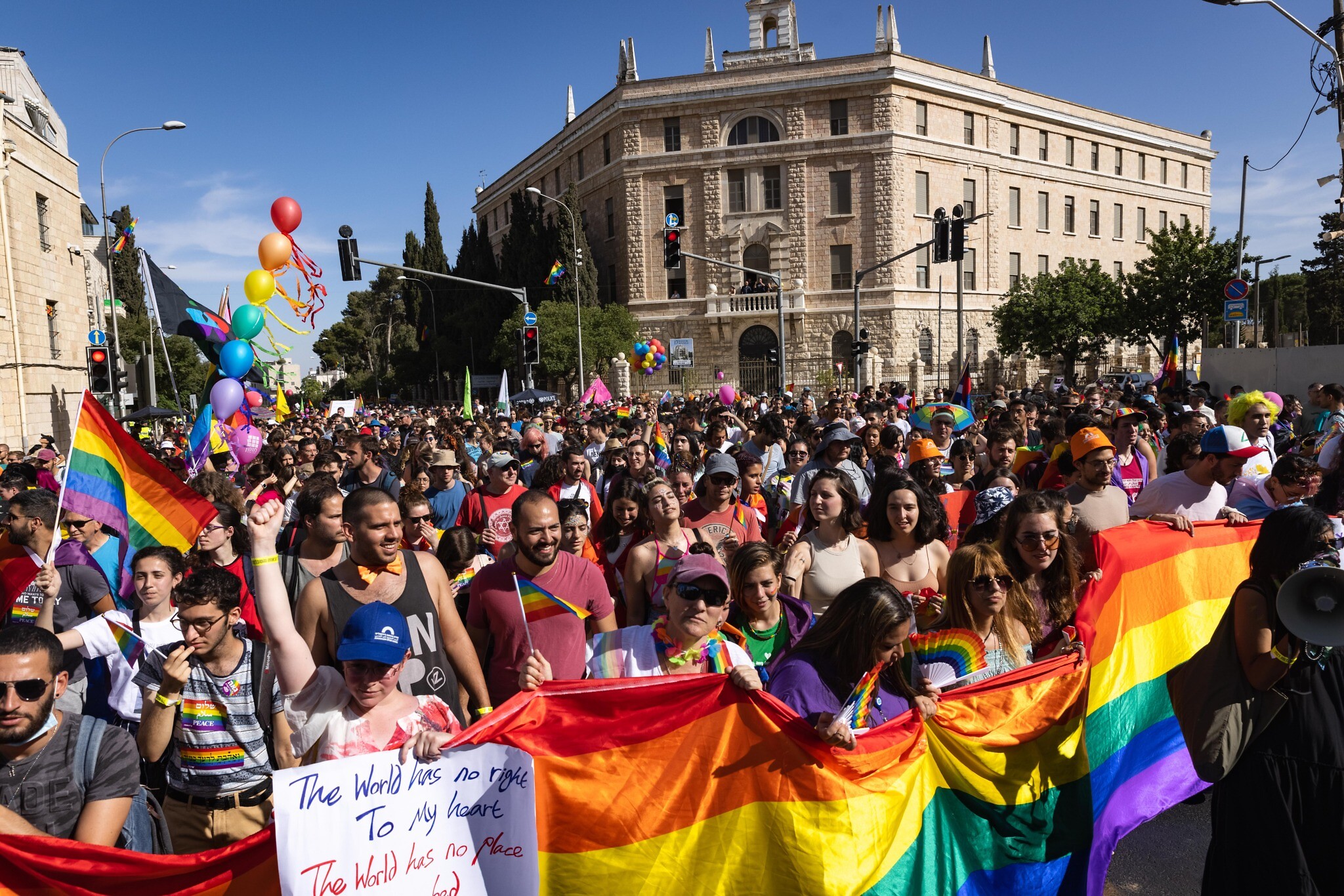
Thousands of people take part in the annual Gay Pride Parade in Jerusalem, June 3, 2021. (Olivier Fitoussi/ Flash90)

The 2.5-kilometer (1.55 miles) march, from the city’s Liberty Bell Park to Independence Park, began at 2:30 p.m., signaling the start of pride month events in Israel.

The annual event is a highlight for the city’s vibrant LGBT community, which is often overshadowed by Tel Aviv’s gay-friendly persona and beset by religious and political tensions ever-present in the capital.

The parade did not go ahead last year due to the COVID-19 pandemic, and even this year, organizers canceled a mass event at Independence Park that usually concludes the event.

As thousands filled the capital’s streets, a small demonstration protesting the parade was held by members of the far-right and anti-gay Lehava organization.
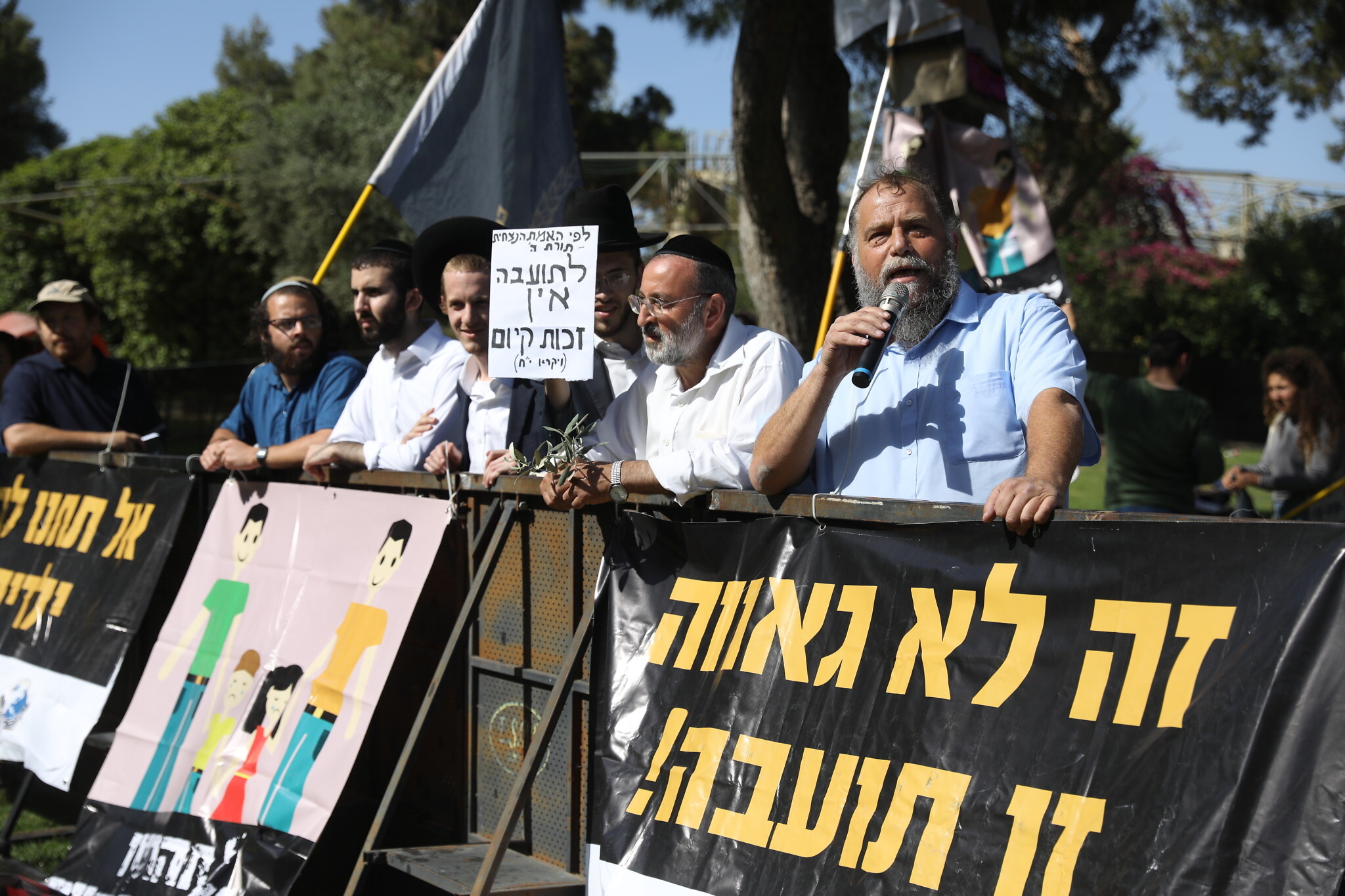
Right wing activists demonstrate against the annual Gay Pride parade in Jerusalem, on June 3, 2021. (Noam Revkin Fenton/Flash90)

Amid the security preparations, two 17-year-olds were detained on suspicion of hanging signs against the parade, police said, adding that dozens of additional signs were found in the teens’ possession. No details were given on their content.

On Wednesday police arrested a Jerusalem resident after he threatened to kill participants at the event. The Jerusalem Magistrate’s Court extended the suspect’s remand until Friday. The suspect is reportedly known to police and has been arrested in the past for making threats. Police suspect he has mental health issues, Channel 12 news reported, adding that the court ordered him sent for an examination.

In 2015, Shira Banki was stabbed to death during the parade, and several others were injured by an ultra-Orthodox man who had been released from prison just a few weeks earlier, after serving time for attacking a previous parade.

Along the route, marchers stopped to lay flowers at the spot on Keren Hayesod Street where Banki was stabbed.
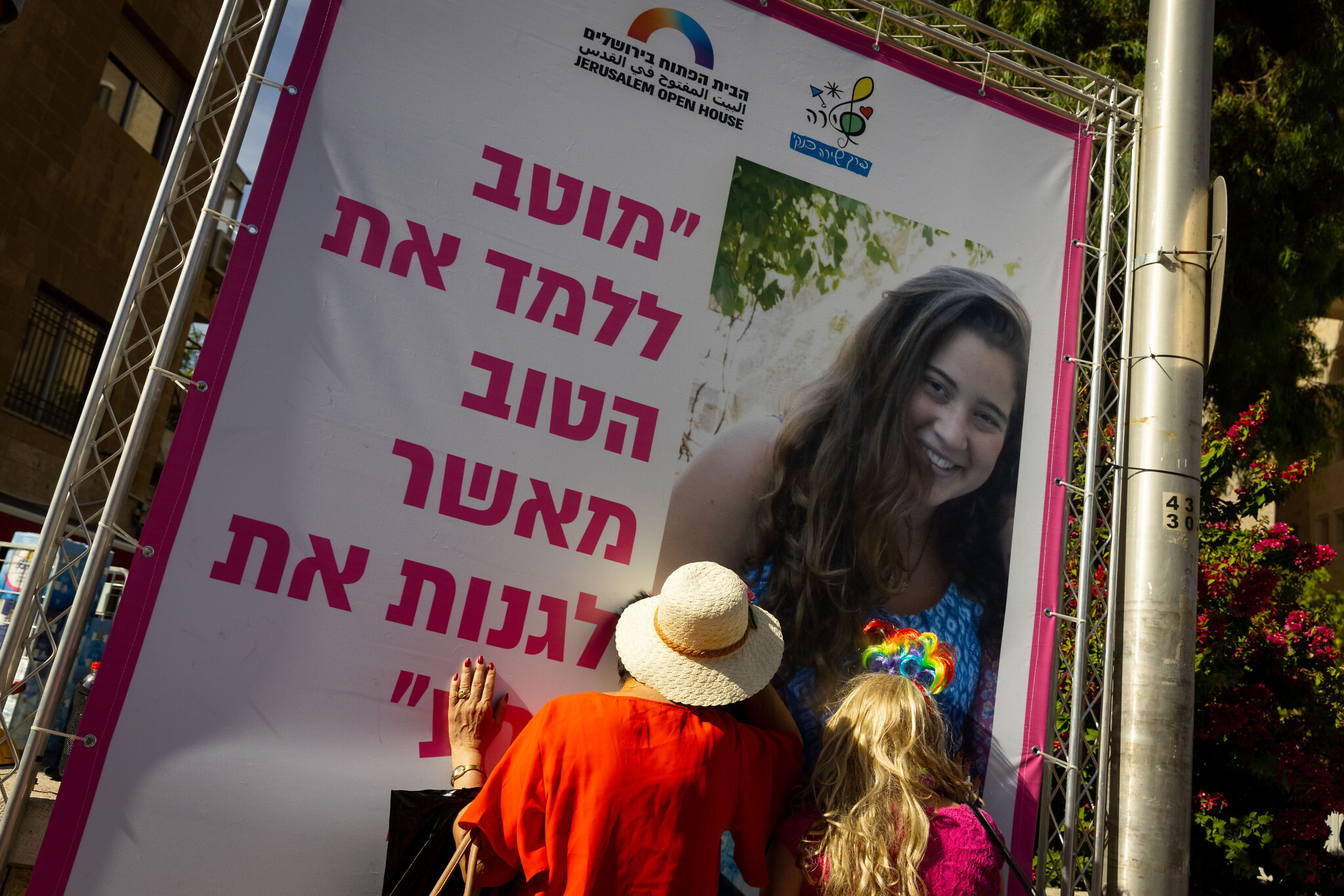
People at the Gay Pride Parade in Jerusalem on June 3, 2021, look at a photo of Shira Banki, murdered by an ultra-Orthodox extremist at the march in 2015. (Olivier Fitoussi/Flash90)

The parade came as rights activists have raised concerns about anti-LGBT lawmakers in the Knesset, as well as in the potential coalition.

Upon sealing a deal to enter the next coalition, the head of the Islamist Ra’am party Mansour Abbas on Thursday vowed to oppose any moves to bolster LGBT rights, after Meretz party head Nitzan Horowitz said that same-sex marriage was part of the coalition deal.

Additionally, the far-right Religious Zionism party, which now controls six seats in the Knesset, has three members openly hostile to LGBT rights: Avi Maoz, leader of the Noam faction, and Itamar Ben Gvir and leader MK Bezalel Smotrich, organizers of the 2006 “beast march” in Jerusalem, in which religious opponents of the Pride March walked with donkeys.
Eager to represent: Gay and trans Mexican candidates running in key vote – NBC News

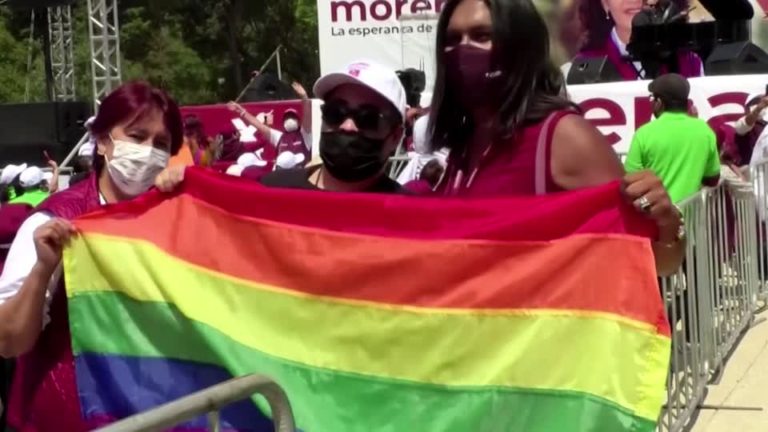
Gay, lesbian and transgender candidates are competing for votes in Mexico’s midterm election, aiming to upset politics as usual in the largely Roman Catholic, socially conservative Latin American country.

A total of 117 candidates, or nearly 2 percent of more than 6,000 hopefuls running for office on Sunday who responded to a survey by national electoral institute INE, identified as part of the LGBTQ community.

About 21,000 local and national races are being contested in the vote, including 15 governorships and all 500 seats in the lower house of Congress, in a pivotal election for the agenda of leftist President Andres Manuel Lopez Obrador during the second half of his six-year term.

Mexico’s political parties were already required to nominate equal numbers of men and women, and new INE rules adopted last January added the obligation to also nominate candidates from vulnerable groups, including the LGBTQ community.

Candidate for deputy for the Citizens’ Movement party, Aurelien Guilabert, speaks during an interview with Reuters, ahead of the mid-term elections on June 6, in Mexico City on May 30, 2021.Carlos Jasso / Reuters

Like others aiming for jobs in politics, LGBTQ candidates are emphasizing public safety and the economy, but also specific obstacles for those who are often marginalized.

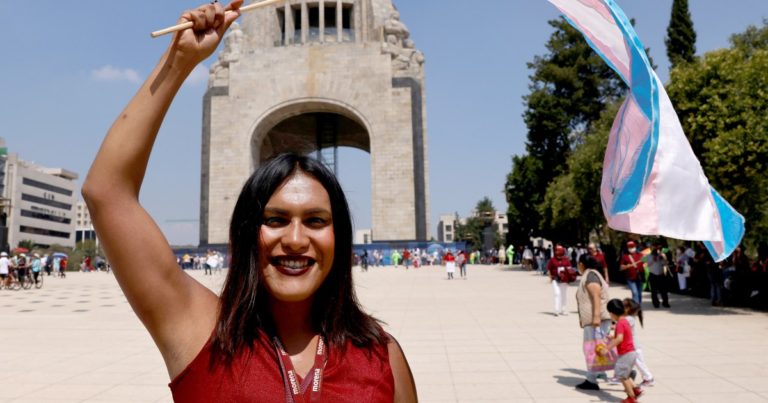
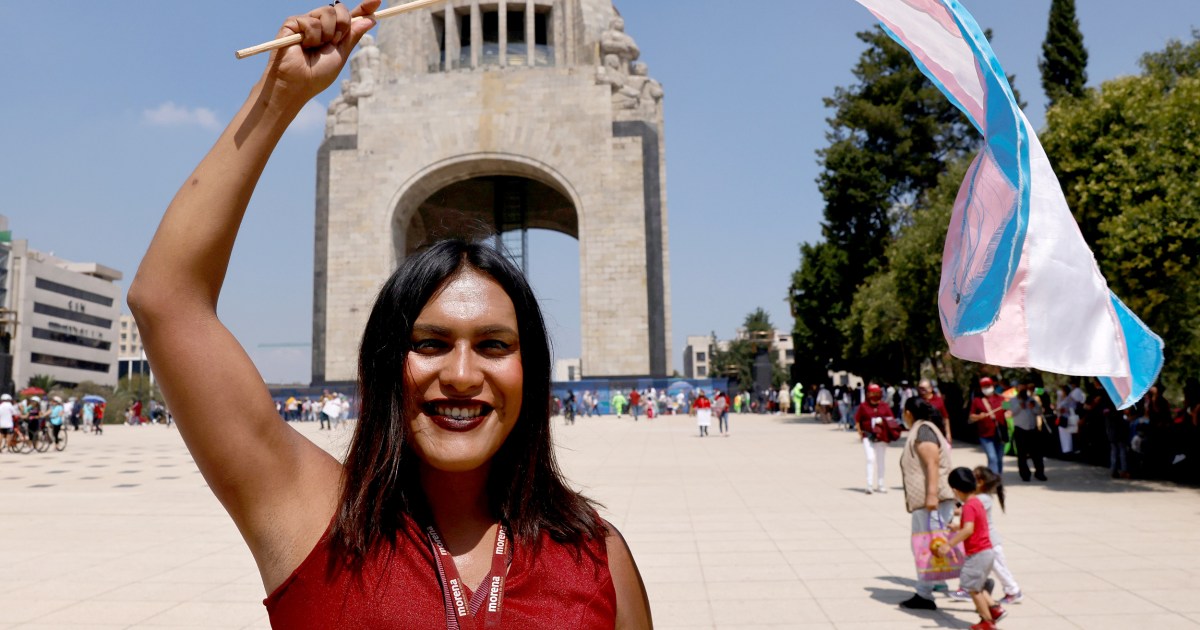
“That’s exactly why I want to serve in Congress, to fight discrimination everywhere and shake things up with a representative voice,” said Maria Garcia, a transgender candidate for Congress in Mexico City.

Garcia is running under the banner of the ruling National Regeneration Movement (Morena) of Lopez Obrador, who has seldom championed LGBTQ causes and has sided with conservatives on same-sex marriage.

Gay activist-turned-candidate Aurelien Guilabert said the need to tackle a growing number of hate crimes targeting LGBTQ people helped motivate him to run for the capital’s local congress.

“We’re suffering through one of the worst crises,” he said.

Guilabert is with the Citizen Movement (MC) party. According to the INE survey, nearly 32 percent of the LGBTQ candidates running on Sunday are from the party, the highest percentage of any party.

Follow NBC Out on TwitterFacebook & Instagram

How Outer Banks’ Chase Stokes Healed From His Parents’ Divorce – Twice – POPSUGAR

Divorce is fairly common in the United States; approximately 50 percent of marriages end in a breakup. But despite how standard the process may be at this point, divorce can be incredibly stressful on children, and dealing with the emotional impact can take a lot of time, work, and patience.

On this week’s How 2 Deal, therapist Micheline Maalouf is joined by Outer Banks star Chase Stokes, who has dealt with divorcing parents — not once, but twice. The actor is an outspoken advocate for addressing mental health issues openly and honestly through this work with the Bring Change to Mind organization, which aims to end the stigma surrounding mental illness.

Tune in to hear Chase’s experience, and check out Bring Change to Mind if you’re at all curious about keeping the conversation going.

Sneak a peek into Atlanta’s new gay nightclub and cabaret – Project Q Atlanta

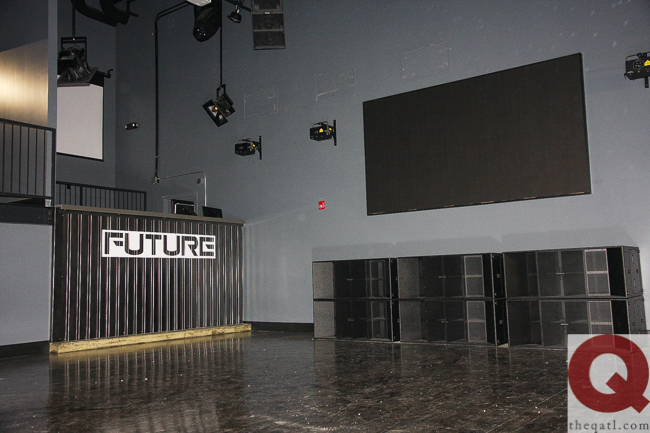
After a pandemic delay, a pair of gay Atlanta nightlife veterans are finally ready to open the doors of a two-story, 14,000-square-foot dance club, cabaret and restaurant in downtown Atlanta.

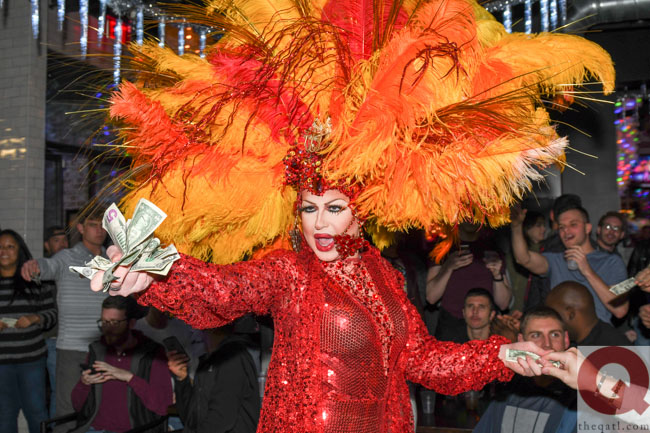
Future Atlanta opens June 4 on the corner of Lower Alabama Street and Pryor Street in Underground Atlanta. Acclaimed DJs, afterhours parties and drag shows pack an opening-weekend schedule that the owners hope become signature events of the multi-level venue.

Keith Young looks forward to showing LGBTQ Atlanta what he and co-owner Hoosh Mishu started working on more than two years ago. The coronavirus pandemic waylaid their efforts.

“The anticipation that we’ve had probably doesn’t compare to what everyone else feels with having something new to do,” Young told Project Q Atlanta.

Opening night features the Fantasy Girls Cabaret and DJ Ed Wood. DJ Cindel follows for Xion Afterhours, the event Young hosted for years at other venues before Future.

On Saturday, it’s Fantasy Girls again early, followed by DJ Joe Gauthreaux. Xion features DJ Nina Flowers.

The blowout weekend wraps up with Shameless Sundays hosted by Kyra Mora and featuring DJ Kevin Durard. Xion then takes over into the wee hours of Monday with DJ Karlitos.

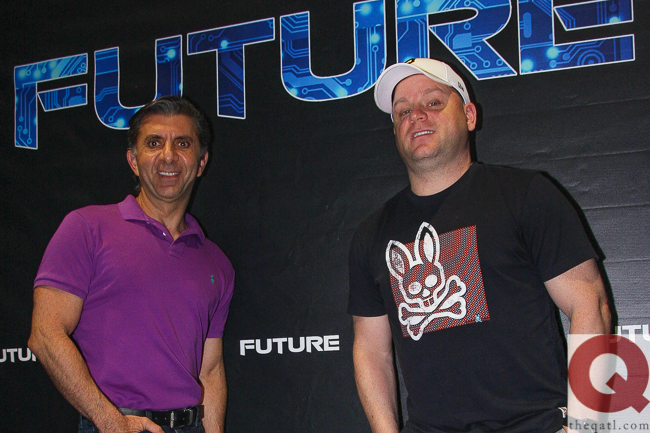
Keith Young and Hoosh Mishu, owners of Future Atlanta, pose in front of the club’s Instagram-ready step-and-repeat sign. (Photo by Patrick Saunders)

Long road into Future

It’s a world away from when Young and Mishu announced their plans for Future in 2018. With Young fresh off Midtown Tavern, the pair originally shot for an opening during New Year’s 2019-2020, then they moved it to April 2020. Of course, the coronavirus pandemic hit a few weeks before that, and everything came to a halt.

“It just really wasn’t worth trying to open a giant nightclub restaurant in the middle of COVID,” Young said.

How did they get through it? “Tylenol,” Mishu joked. The building owner deferred rent, and that was a big help, Young added.

“I was never that worried about it because I knew we had a solid plan and a solid property, and we knew it was going to pass eventually,” he said.

And yes, he did say “restaurant.” Future plans dinner service featuring “elevated bar food,” Young said. Eventually, they plan to expand hours to include lunchtime. A general manager and chef are on board, and the owners are actively looking for bartenders and barbacks.

“It is tough right now to find people, but we’re working through it,” Young said, adding that Future will create about 40 new jobs.

Future’s Entertainment Director is the legendary Phoenix. (Photo by Russ Bowen-Youngblood)

Fantasy partnership

Among the new hires, local legend Phoenix serves as entertainment director. Her renowned Fantasy Girls Cabaret brings two shows each on Fridays and Saturdays to Future’s cabaret.

Taejah Thomas hosts Fantasy Girls on Fridays, then Destiny Brooks hosts Saturdays. Regulars include Phoenix’s fellow “RuPaul” queens Lala Ri and Trinity Bonet, plus legends Shawnna Brooks and Raquel Hart. Cici Nicole and Extasy Grey are also in the drag mix.

Future is also home to Young’s GA Boy Productions events. The dance floor opens right on time for the 10th annual Peach Party, set for June 10-14. LGBTQ Atlantans can also look forward to Joining Hearts weekend next month, then get ready for Atlanta Pride weekend in October with DJs Ed Wood, Isis Muretech, GSP, Tom Stephan, Twisted Dee, Martin Fry, Alexander, Karlitos, Deanne and Jesus Montanez.
As if all that wasn’t enough, Young and Mishu plan to rent out Future to other promoters and continue to host events at other venues all over the city. They’ll also work with Heretic General Manager Alan Collins to make sure DJ schedules don’t overlap. Collins and Heretic are in on Peach Party later this month.

“We don’t want to take all the business,” Mishu said.

Future Atlanta is located in Underground Atlanta (Photo by Patrick Saunders)

Calculated risks

Future encourages its employees to get vaccinated against coronavirus, and the venue will abide by federal health guidelines as they morph and change, the owners said.

“The governor lifted a lot of restrictions, and we’re going to do what we can to make sure everybody’s safe,” Mishu said.

Opening a gay dance club downtown was “a big risk” that Young said will pay off.

“That’s kind of where we got the name Future,” he said. “The oldest part of the city is to me the future of nightlife. So I’m relieved and excited that things are moving. I think three or four years from now, you’re not going to recognize downtown.”

Take Q’s exclusive tour of Future in Underground Atlanta below.

Photos by Patrick Saunders

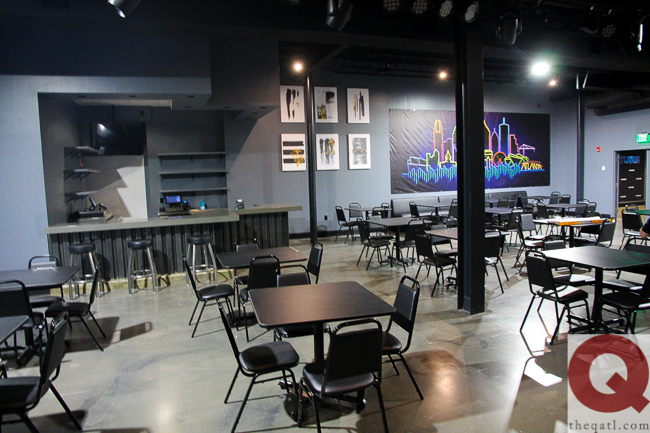
The second-floor entrance takes you into the cabaret space with table seating, a stage, DJ booth and a full bar.

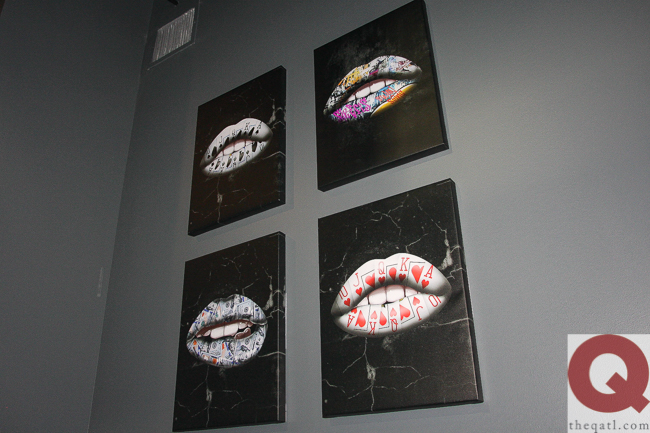
Various art pieces adorn the walls in the cabaret show bar.

The view that performers see from the stage.

Neon art of the Atlanta skyline overlooks the DJ booth.

A hallway from the second-floor cabaret to the stairs features a step-and-repeat for all your Instagram needs, plus lockers for cell phones and other personal items.

A trip downstairs brings you onto the expansive dance floor, featuring a DJ booth, video screens, limited seating and a full bar.

Make dinner table reservations for Fantasy Girls and find more info about Future here

Students at Catholic colleges leave with less positive attitudes toward gay people than their peers – but that’s not the whole story – Religion News Service

(The Conversation) — The Research Brief is a short take about interesting academic work.

The big idea

Students at Catholic colleges and universities begin their studies with more positive attitudes toward gay, lesbian and bisexual people than their peers at evangelical colleges and universities, our survey found. But that’s no longer the case by the time they graduate.

Multidisciplinary research teams at Ohio State University, North Carolina State University and Interfaith Youth Core, a Chicago-based nonprofit, surveyed 3,486 students attending 122 institutions of various types, sizes and affiliations. Our study, the Interfaith Diversity Experiences and Attitudes Longitudinal Survey, polled the students three times over their time in college – in the fall of 2015, the spring of 2016 and the spring of 2019.

We asked students whether they agree or disagree – and how strongly – with various statements about gay, lesbian and bisexual people. The statements related to, for example, whether students believe gay, lesbian and bisexual individuals are ethical people and make positive contributions to society. They also asked students if they believe they have things in common with this group, and positive attitudes toward them.

To avoid conflating sexual orientation with gender, we asked separate questions about attitudes toward transgender people, who were not included in this analysis.

We found that students at Christian schools – whether Protestant, evangelical or Catholic – entered college with less positive attitudes toward gay, lesbian and bisexual people compared with those at nonreligious schools. All students increased in their positive attitudes for this group by the time they graduated.

However Catholic school students made the least gains. Upon entering college, their attitudes were more positive than evangelical students and showed an initial surge after the first year. Yet when they left college they had the least positive scores.

In contrast, Catholic students across all the surveyed schools came to college with a higher appreciation for gay, lesbian and bisexual people compared to all other Christian students. And that appreciation continued to grow significantly over the four years, regardless of institution type.

Why it matters

These findings suggest that how much appreciation students have for diverse sexual orientations might be related to institutional culture, messaging and attitudes – and not necessarily to students’ personal convictions and beliefs alone. In other words, how a university addresses issues related to gay, lesbian and bisexual people could influence how student attitudes toward those groups change in college.

Research has shown that peer groups have a significant impact on college students’ attitudes toward diversity. The views and beliefs of friends students socialize with can influence their worldviews. So, for example, students at Catholic schools may meet and socialize with friends who share, and therefore reinforce, views that regard gay, lesbian and bisexual people negatively.

But if that were the only driving force here, we would have expected students at evangelical institutions to both enter and leave college with the lowest overall appreciation scores. That didn’t happen.

Instead, attitudes changed differently based on whether students enrolled in a Catholic or evangelical institution. So, it appears that either students at evangelical institutions had more peer support for gay, lesbian and bisexual people, or Catholic institutions are somehow signaling a lack of support for people who identify as gay, lesbian or bisexual.

What still isn’t known

We don’t know all of the ways the religious dimensions of institutional culture influence individual student attitudes, and vice versa. Our data suggest that there may be a different trend in attitudes based on the types of institutions students attend and how students religiously identify.

What’s next

Conversations about the connection between religion and attitudes toward sexuality would benefit from distinguishing religious people from religious institutions, and individual beliefs from religious doctrine.

These conversations may not occur organically. We believe institutions should provide supportive places where students can ask important questions about religion and sexuality. These places may look and feel differently based on the type of institution. That said, no matter where students are enrolled, educators should want them to graduate appreciating all forms of identity, including those of gay, lesbian and bisexual people.

<p

Christa Winkler, Musbah Shaheen, and Zach Hooten do not work for, consult, own shares in or receive funding from any company or organisation that would benefit from this article, and have disclosed no relevant affiliations beyond their academic appointment.

(Musbah Shaheen, PhD student in Higher Education and Student Affairs, The Ohio State University. Christa Winkler, Assistant Professor of Higher Education Leadership, Mississippi State University. Zach Hooten, PhD Candidate, Higher Education and Student Affairs, The Ohio State University. The views expressed in this commentary do not necessarily reflect those of Religion News Service.)

The Conversation

A giant Lil Nas X mural appears in Philadelphia’s Gay Bow Hood – Pennsylvanianewstoday.com

news

South Philadelphia artist Ash Ryan spent a little over a week (138 cans of spray paint) paying homage to the LGBTQ icon.


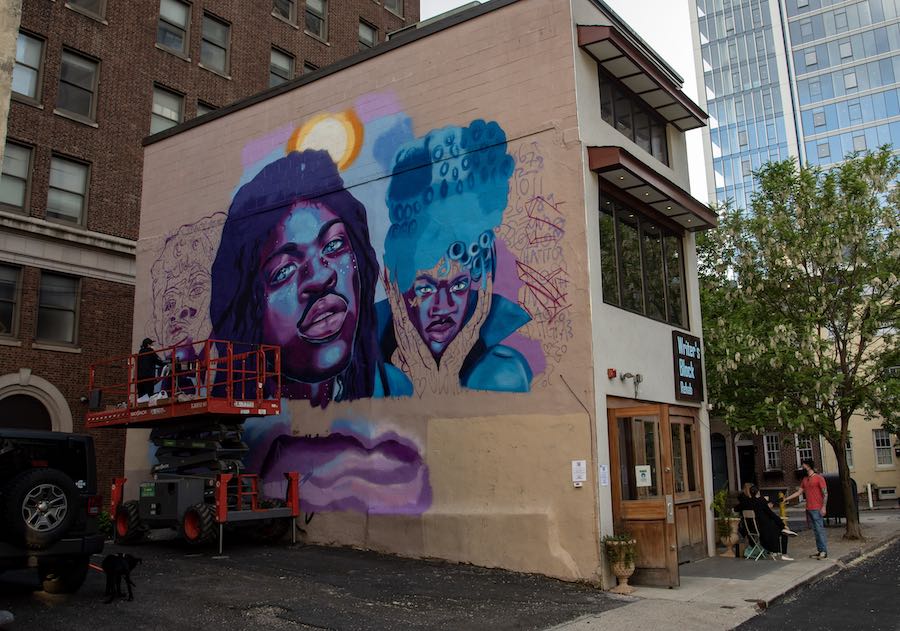
Philadelphia Lil Nas X Mural by Artist Ash Ryan (Photo courtesy of Colin Rabby)

Lil Nas X is everywhere these days.His recent TweetSo, LGBTQ music icons have promised to have sex with “100 lucky fans” to celebrate Pride Month. Became viral. He “Men’s wear skirt big movement” Wearing a plaid skirt in an interview with Jimmy Fallon.People are still talking about his aggressive overdoing, tearing his pants Saturday night live performanceAnd now there is a mural of Lil Nas X in Philadelphia.

Take a walk to 1300 blocks on Cypress Street (one of the small streets between Spruce and Pine) in Gay Bar Hood to see the all-new Lil Nas X mural. The 36 x 36 foot mural is next to the bar Writer’s Block Rehab and is now in its fourth year. The mural is the work of an artist in South Philadelphia. Ash RyanWas commissioned by the bar owner, Ram Krishnan.

“On the other side of the building is a mural of the great Harlem Renaissance leader, Alan Rock,” Krishnan told Philly Mag. “And now, 100 years after Alan Rock, I wanted something for someone who has made a name for himself in the history of black gay men.”

A Philadelphia curator and blogger when Krishnan was wondering who to decorate the wall Conrad Benner Street section The idea of ​​putting a mural of Lil Nas X on Gaybow Hood came up online. This is Lil Nas X’s immense popularity (And it was very controversial) Video of his song “Montero (Call Me by Your Name)”.

“One of my friends following the street department tagged me and said,’Hey, Lamb, I need to put this on the wall,’” says Krishnan.

Then artist Ryan came into the picture.

Aritst ash ryan working on a mural for Lil Nas X in Philadelphia

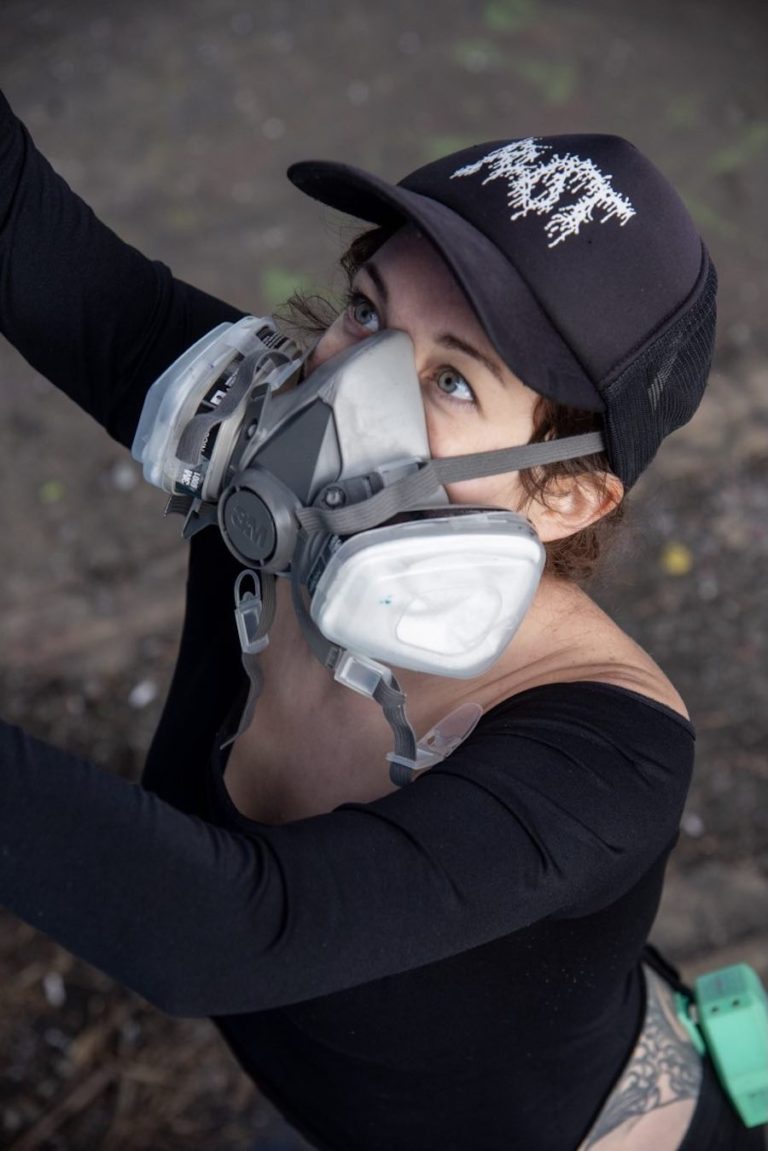
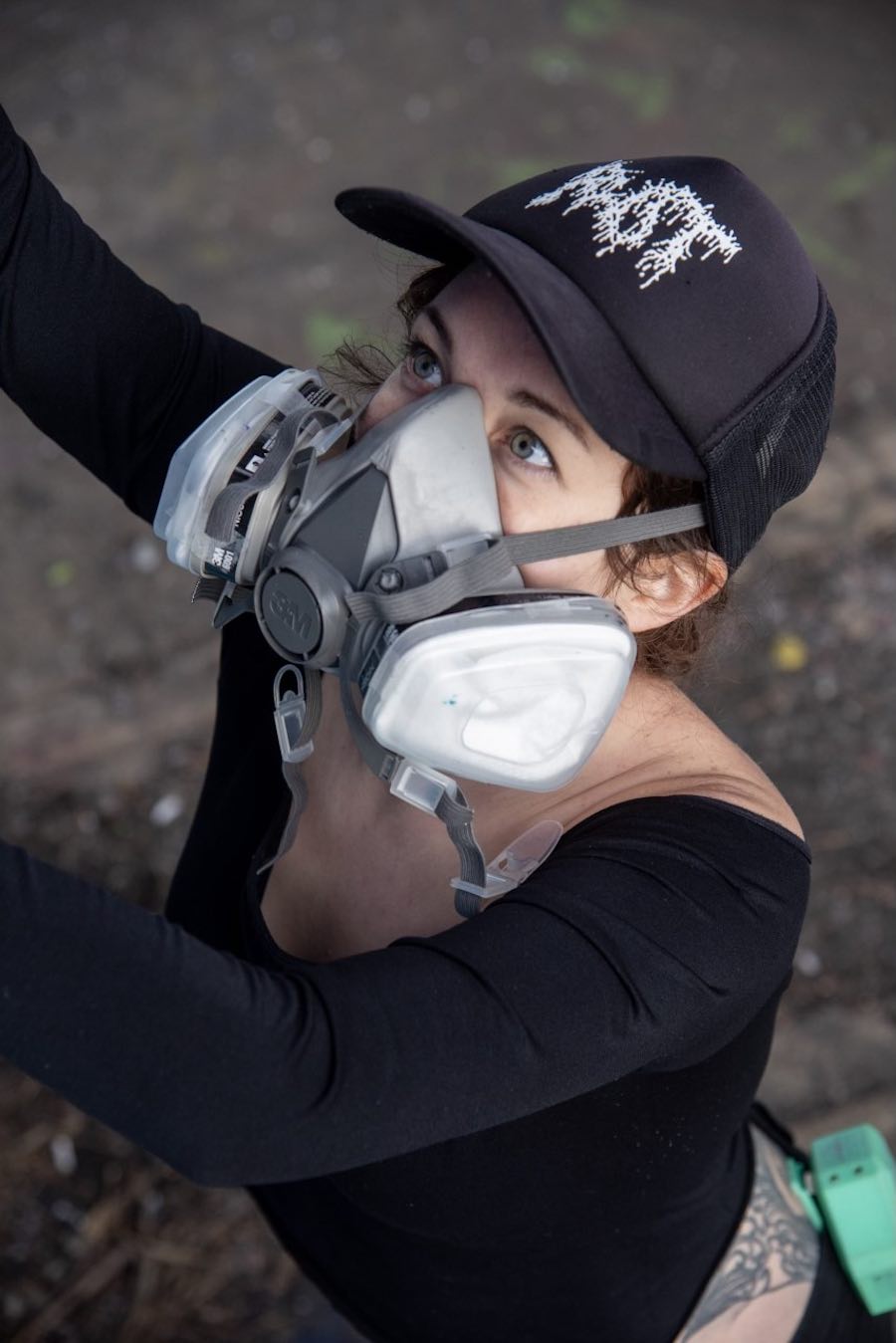
Ash Ryan, an artist working on the mural painting of Lil Nas X in Philadelphia (pictured) Colin Rabby)

Born in Coatesville, now 29, she was keen on painting and graffiti writing in her early twenties, but moved away from both and pursued a career in flower design for events. She lost the job-what else?-COVID. And she decided it was time to pursue her true passion for painting full-time.

She was privately entrusted Mural painting of Mexican actress Maria Felix in the 1940s In her neighborhood in southern Philadelphia. She also applied for an internship in the Philadelphia Mural Program, but was not accepted. And when she heard about the Lil Nas X Commission, she jumped at the opportunity.

“At first, it was going to be such a small thing,” explains Krishnan. “But Ash was obsessed with the wall and said he would just paint the whole thing.”

Ryan created a mural based on the three characters of Lil Nas X in the “Montero” video. She added clouds and crystals because she wanted Lil Nas X to look “heavenly, sacred, and spiritual.”

@streetsdeptPlease tag someone @lilnasx !!!

♬ MONTERO (Call Me by Your Name) – Lil Nas X

Many mural painters computer mockups of murals before actually painting the walls, but Ryan didn’t.

“I was thinking about everything in my head,” she says.

Krishnan funded most of the project, but Ryan raised some money for GoFundMe material. Those materials included 138 cans of spray paint purchased from Blick Art Materials on Chestnut Street.

Ryan completed the Lil Nas X mural a little over a week after starting work around a car in an adjacent parking lot. Lil Nas X is an occasional polarization figure in American culture, but both Krishnan and Ryan say they have received only positive feedback so far.

Ash Ryan working on Lil Nas x murals in Philadelphia

Ash Ryan, an artist working on the mural painting of Lil Nas X in Philadelphia (photo courtesy) Colin Rabby)

What’s next to Ryan? She still wants mural art to do internships and other jobs for her. And in the meantime, she’s looking for new commissions.

“I Available!! “She says. “I’m about to pay the bill. I want to paint a mural for the community. Whatever the community wants. I’m very happy to paint. It’s gone! Let’s do it again. “

Ricky Martin shares how him being gay is hindering career – The News International


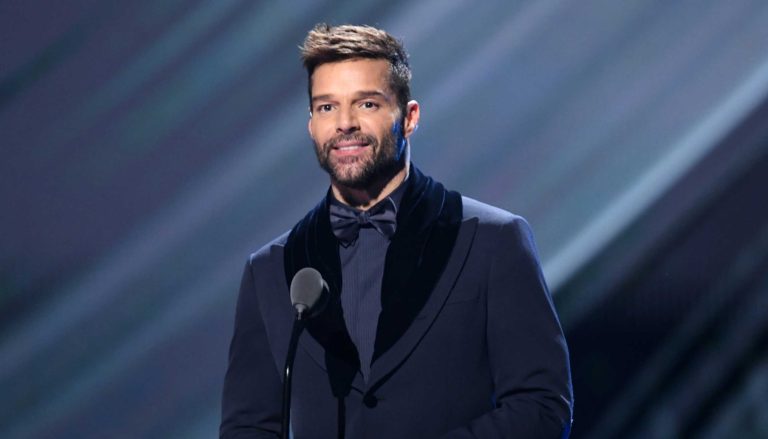
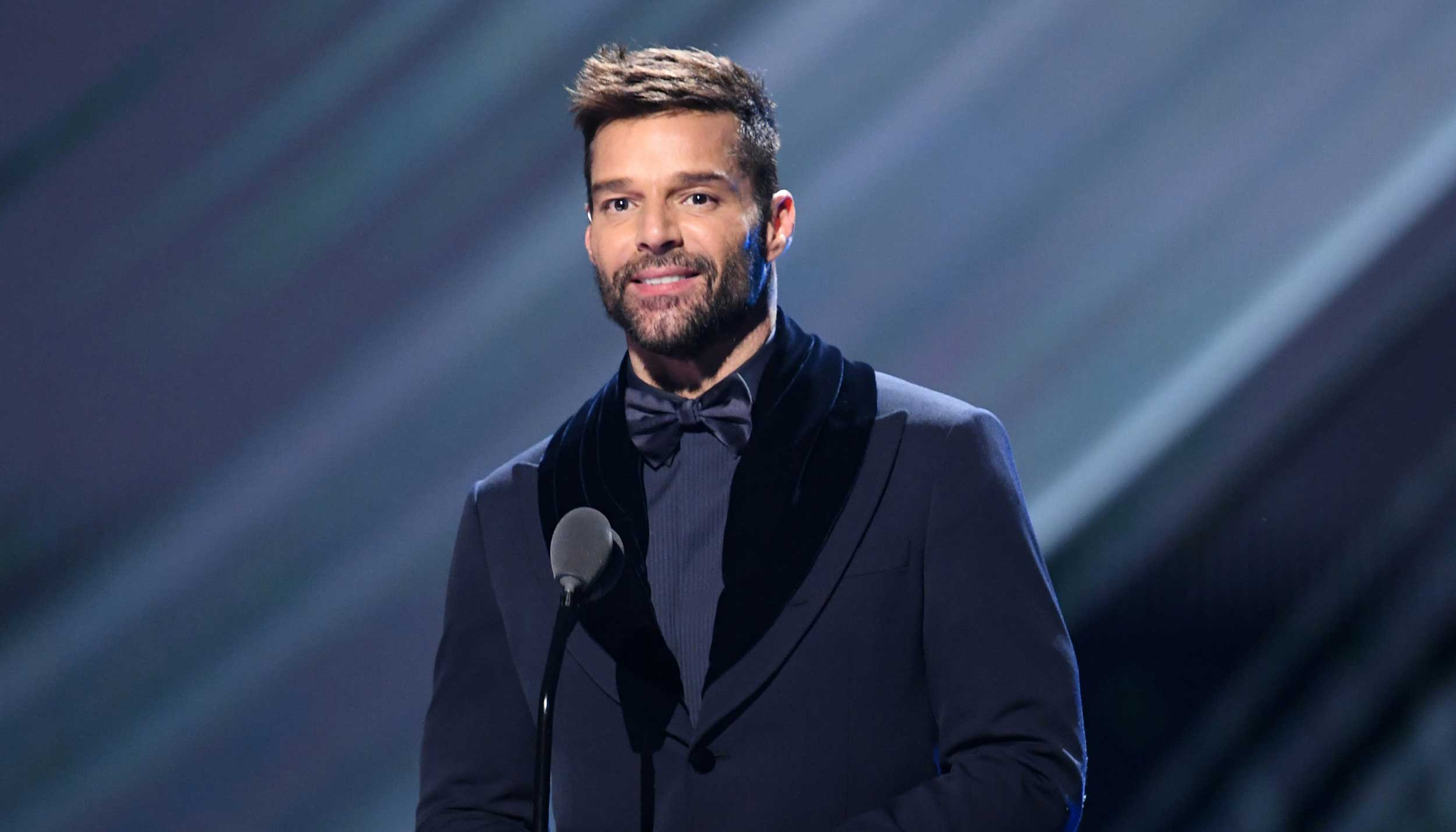
Actor and singer Ricky Martin wore his heart on his sleeve and spoke about how his sexuality may be a cause of hindrance for his career. 

Speaking to People, The Assassination of Gianni Versace star shared about his passion for acting and the diverse roles he can bring to the table.

“I love acting,” he says.

“I’m waiting for those scripts, for those great scripts. I can play gay, I can play straight, I can play a serial killer. I can play Latin, but I can also play European. I am ready. Just give it to me, man. Give it to me.”

“I just want to tap into anything that has to do with acting. I love theater, too,” Martin says.

“I want to tell a story. That’s what I want. I want to tell important story, and I want to change the way people see life in general towards some more optimistic way.”

However, the musician noted how he was not able to sell as many records or bag any major acting roles.

A music executive then pointed out that him being gay may be the cause of the industry’s lack of interest in him.

“That was something that really affected me. And I was like, ‘Am I really dealing with this? They’re not playing my music in this country because I’m gay? Is this really happening?’ We’re talking about four years ago. This executive doesn’t work for the record company anymore. He was fired. But I felt it. It hit me hard.”

“I don’t know if I’m not getting parts because I’m gay,” he admits.

“But if that’s the case, it’s really sad. I’m going to keep working until life is different.”

The Gay Rights Pioneer Who Grew Up in Saratoga Springs – Saratoga TODAY Newspaper

SARATOGA SPRINGS — On June 1, city of Saratoga Springs Mayor Meg Kelly proclaimed June as Saratoga Pride Month. 

In a separate action, made possible through a combination of private donations and support from the city, a rainbow-colored crosswalk was painted on Spring Street, between the Congress Park Carousel and the Hawthorne Spring to symbolize Saratoga’s open and welcoming environment and ongoing support for the LGBTQ+ community. 

“I’m glad to hear that, because it was an uphill battle,” says Rev. Magora Kennedy, thinking back to her mid-20th century upbringing in a home on Henry Street in Saratoga Springs.  “Today the library is on the spot where our house used to be,” she says. 

Kennedy’s mother, who worked for General Electric, was Native American and traces her tribe back to the historically illustrated days of High Rock Park when natives introduced early settlers to the springs, several centuries ago. Her father, who hailed from St. Thomas, was a jockey who participated in races in England, but found his career short-circuited in America when African Americans were excluded from riding as horse racing became a major attraction for mainstream America after World War I. 

“Coming to the United States, he was not able to ride, because of racism,” Kennedy says. “Being raised in Saratoga with a native American mother and a Caribbean father there was…well, we had a lot of push-back.”  In the early 1950s as a teenager, when news started spreading around town that young Magora was gay, her mother offered her a choice: Get married to a man or get institutionalized in an upstate mental hospital.

Asked whether there were any support systems available to her at the time, she says: “Back in those days?  No. I was given a choice to either be married or to be sent to Utica (presumably to be ‘cured’).   Unfortunately, that was happening to a lot of us who were gay. So, a lot of my friends went into convent, and a lot of the fellas went into the priesthood or into the service to get away from home.” Magora, who was 14 years old at the time, chose to get married.   

The 1960s brought with it an era of activism for Rev. Kennedy. Being black, lesbian and a woman of the church, her activism would take place on a multitude of stages.

“I was very much involved in the Women’s Rights Movement and working with Gloria Steinem, Bella Abzug and Flo Kennedy. In those days there were a lot of demonstrations, so we traveled around quite a bit,” she says.  “I was also involved in the Civil Rights Movement. We had training to go down south to help black people to register to vote.” It is now 50 years later. 

“The more things change, the more they stay the same. But the thing is at least today there is a light being shone on what people of color have gone through. At least it’s being seen. There was a lot of turmoil during that time in the’60s. Being involved in the Civil Rights Movement and in the Women’s Movement. There were so many things intertwining in my life,” Kennedy says.   

In early summer 1969, what would turn out to be a watershed moment in the Gay Rights Movement was fast approaching.  “At Stonewall, that last weekend in June. It was a Friday. Everybody went to the Stonewall Inn, dressing up to go uptown for Judy Garland’s wake,” Kennedy recalled. Garland died the previous weekend. She was 47. Her most famous role as an actress came as a teenager in the film “The Wizard of Oz,” during which she sang the song “Over the Rainbow.” 

“Judy Garland was always a friend to what in those days we called ‘The Underground,’ so everybody got together to go uptown to go to her wake,” Kennedy says. Newspaper reports count a legion of more than 20,000 Garland fans jamming the streets of Manhattan’s Upper East Side to pay their respects to the actress at the Frank E. Campbell Funeral Home on East 81st Street. 

“When they got uptown, the lines were stretched around the block where she was lying in repose. It started to rain. A thunderstorm broke out. Everybody got soaking wet and went back (downtown) to the Stonewall Inn to lament and to talk about Judy Garland,” Kennedy says. “This was the time the cops decided to pull one of their famous raids. They would raid the bars on the weekends in Greenwich Village and that night at the Stonewall Inn when they came down… the word had gone out throughout The Village. Everyone emptied out of the bars and came into the street. That was the Stonewall Uprising. They called it a riot, but it was not a riot. It was an uprising and it lasted from Friday until Monday,” she says. 

“I got there Saturday night. Sylvia Rivera and I were together on the streets that night,” Kennedy says.  Today, Rivera is heralded as a Transgender Civil Rights pioneer. “We got chased by a cop into what was then a cul-de-sac in the area – funny enough it was called Gay Street – but there was no way to get through. This cop took one look at me, thought I was a man, saw my collar, and said: Oh, there’s a (homophobic slur) imitating a priest. When he went for his gun, I grabbed two trash can covers, which weren’t chained down, and I clanged him upside the head.  Sylvia Rivera and I got away.” 

Today, Kennedy is regarded being a gay rights pioneer, and makes her home in New York City – “the boogie-down Bronx,” she says with a laugh, sharing a term of endearment used by some residents as a reference to the borough’s claim as the birthplace of hip hop. She had five sons – “my Saratoga tribe” – whose achievements range from securing college basketball championships and high-ranking municipal posts, to Presidential citations for volunteering for military service. She is a grandmother and a great-grandmother, and continues to operate a temple, and teaches African history and Goddess Awareness. 

Rev. Kennedy was featured in the recent project “Not Another Second,” which features LGBT+ seniors and their stories at The Watermark in Brooklyn as well as in a book of the same name, which may be reviewed at: notanothersecond.com. 

Kennedy is also one of the featured activists in a new documentary titled “Cured,” anticipated to make its way to national TV screens in the U.S. this fall. The film, described as “including pioneering lesbian and gay crusaders who refused to accept psychiatry’s declaration that they were sick,” was co-written and directed by Patrick Sammon and Yaddo artist Bennett Singer. For more information about the film, go to: cureddocumentary.com.

Martin Padgett Discusses Gay Atlanta History and New Book in Upcoming Virtual Event – Georgia Voice

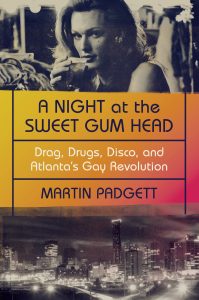
LGBTQ activist and author of new book A Night at the Sweet Gum Head: Drag, Drugs, Disco, and Atlanta’s Gay Revolution, Martin Padgett, will discuss the book and Atlanta’s LGBTQ history with Philip Rafshoon on June 8.

The virtual conversation, sponsored by the Atlanta History Center, will cover the eclectic and intimate story of 1970s gay Atlanta, with two men at the center: John Greenway, who performed as the exquisite Rachel Wells; and Bill Smith, an activist who worked to change antigay laws.

Padgett is a writer whose work has been featured in Oxford American, Gravy, Details, and Business Week. Rafshoon was the founder and operator of Outwrite, Atlanta’s LGBTQ Bookstore and Coffeehouse, from 1993 to 2012. He now works as the Director of member Engagement for Midtown Alliance and is a member of Mayor Keisha Lance Bottoms’ LGBTQ Advisory Board.

The event will take place via Zoom starting at 7pm. Registration is free and open to the public. A Night at the Sweet Gum Head Drag, Drugs, Disco, and Atlanta’s Gay Revolution is available for purchase online at A Cappella Books.

LGBT Mexican candidates run in key vote – Yahoo Singapore News

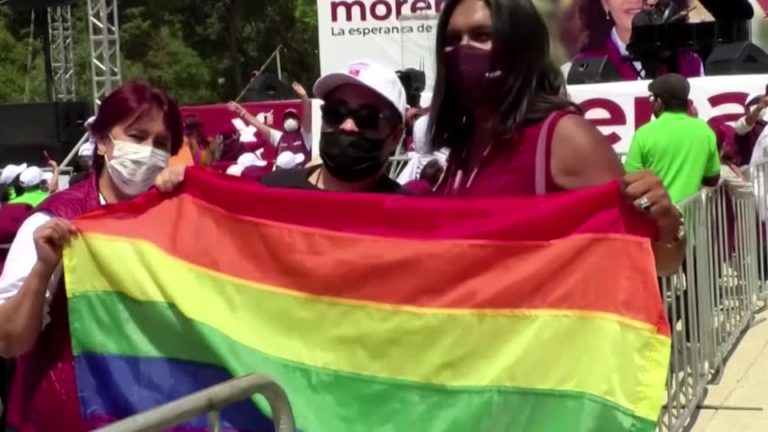
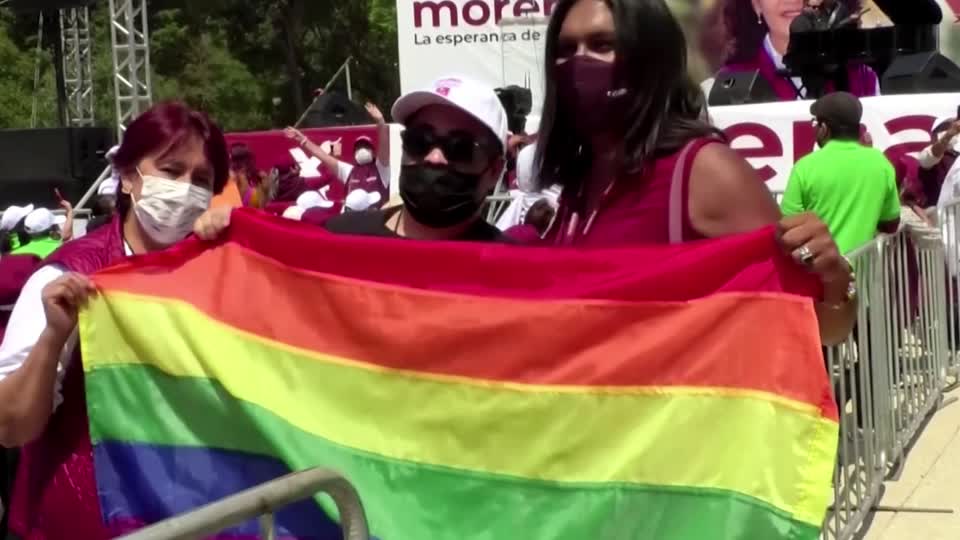
Gay, lesbian, and transgender candidates are running for office in Mexico’s midterm election.

Their cause?

To upset politics as usual in the largely Roman Catholic, socially conservative Latin American country.

Maria Clemente García Moreno wants to become the first trans woman in Mexican Congress.

“There would be discrimination just like there would be anywhere. And for that exact reason we want to go to Congress to combat it in all facets and show up with one voice, a representative voice for the sexual diversity for the trans community, to have a voice in the commissions, in parliamentary life, precisely to break that circle of discrimination.”

She’s one of the 117 candidates identified as part of the LGBT community running for office in June.

Public safety and tackling hate crime are among their key focus.

117 LGBT people were killed in 2019, up almost a third from 2018 and the highest since 2015. That’s according to data compiled by local advocacy group Letra S.

This growth spurred activist Aurelien Guilabert to run for the capital’s local congress.

“I am running because we are suffering one of the worst crises of violence. Crimes against diverse populations, hate crimes for questions of sexual orientation or gender, have gone up. And there doesn’t exist to date a registry on the part of the authorities.”

Mexico’s political parties were already required to nominate equal numbers of men and women.

And new rules adopted by the national electoral institute INE last January added the obligation to nominate candidates from vulnerable groups, including the LGBT community.

But for Roshell Terranova, a candidate for deputy from the Mexican Citizens’ Movement, getting elected to Congress is just the beginning.

“Laws do not reform on their own. You have to lobby with other groups. You have to work to change people’s thinking, including that of legislators because, let’s not forget, there are ultra-right parties that use the shield of, ‘it’s for families,’ to not grant us our rights. So I think it’s going to be very interesting to be able to continue advancing with our rights from within.”

LGBT Mexican candidates run in key vote – Yahoo News

Gay, lesbian, and transgender candidates are running for office in Mexico’s midterm election.

Their cause?

To upset politics as usual in the largely Roman Catholic, socially conservative Latin American country.

Maria Clemente García Moreno wants to become the first trans woman in Mexican Congress.

“There would be discrimination just like there would be anywhere. And for that exact reason we want to go to Congress to combat it in all facets and show up with one voice, a representative voice for the sexual diversity for the trans community, to have a voice in the commissions, in parliamentary life, precisely to break that circle of discrimination.”

She’s one of the 117 candidates identified as part of the LGBT community running for office in June.

Public safety and tackling hate crime are among their key focus.

117 LGBT people were killed in 2019, up almost a third from 2018 and the highest since 2015. That’s according to data compiled by local advocacy group Letra S.

This growth spurred activist Aurelien Guilabert to run for the capital’s local congress.

“I am running because we are suffering one of the worst crises of violence. Crimes against diverse populations, hate crimes for questions of sexual orientation or gender, have gone up. And there doesn’t exist to date a registry on the part of the authorities.”

Mexico’s political parties were already required to nominate equal numbers of men and women.

And new rules adopted by the national electoral institute INE last January added the obligation to nominate candidates from vulnerable groups, including the LGBT community.

But for Roshell Terranova, a candidate for deputy from the Mexican Citizens’ Movement, getting elected to Congress is just the beginning.

“Laws do not reform on their own. You have to lobby with other groups. You have to work to change people’s thinking, including that of legislators because, let’s not forget, there are ultra-right parties that use the shield of, ‘it’s for families,’ to not grant us our rights. So I think it’s going to be very interesting to be able to continue advancing with our rights from within.”

Video Transcript

Gay, lesbian, and transgender candidates are running for office in Mexico’s midterm election. Their cause, to upset politics as usual in the largely Roman Catholic, socially conservative Latin American country.

[SPEAKING SPANISH]

Maria Clemente Garcia Moreno wants to become the first trans woman in Mexican Congress.

MARIA CLEMENTE GARCIA MORENO: [SPEAKING SPANISH]

There would be discrimination, just like there would be anywhere. And for that exact reason, we want to go to Congress to combat it in all facets, and show up with one voice– a representative voice for the sexual diversity for the trans community. To have a voice in the commissions and parliamentary life, precisely to break that circle of discrimination.

MARIA CLEMENTE GARCIA MORENO: [SPEAKING SPANISH]

She’s one of the 117 candidates who identified as part of the LGBT community, running for office in June. Public safety and tackling hate crime are among the key focus. 117 LGBT people were killed in 2019, up almost a third from 2018, and the highest since 2015. That’s according to data compiled by local advocacy group, Letra S. This growth spurred activist Aurelien Guilabert to run for the capitol’s local Congress.

AURELIEN GUILABERT: [SPEAKING SPANISH]

I’m running because we are suffering one of the worst crises of violence. Crimes against diverse populations, hate crimes, questions of sexual orientation or gender have gone up. And to date, there doesn’t exist a registry on the part of the authorities.

AURELIEN GUILABERT: [SPEAKING SPANISH]

Mexico’s political parties were already required to nominate equal numbers of men and women. And new rules adopted by the National Electoral Institute, INE, last January, added the obligation to nominate candidates from vulnerable groups, including the LGBT community.

But for Roshell Terranova, a candidate for deputy from the Mexican Citizens’ Movement, getting elected to Congress is just the beginning.

ROSHELL TERRANOVA: [SPEAKING SPANISH]

Laws do not reform on their own. You have to lobby with other groups. You have to work to change people’s thinking, including that of legislators. Because let’s not forget, there are ultra-right parties that use the shield of, it’s for families to not grant us our rights. So I think it’s going to be very interesting to be able to continue advancing with our rights from within.

ROSHELL TERRANOVA: [SPEAKING SPANISH]

FDCP celebrates Pride Month with PelikuLAYA film fest – BusinessWorld Online

THE FILM Development Council of the Philippines (FDCP) is holding the second PelikuLAYA: LGBTQIA+ Film Festival online from June 4 to 30 in celebration of Pride Month.  There will be film screenings, panel discussions, a special yoga session, and a concert and fashion show.

This year’s festival carries the theme “Sama-Sama, Lahat Rarampa!,” with the aim “to further empower the members of the LGBTQIA+ community,” according a press release.

“The Film Development Council of the Philippines is relaunching PelikuLAYA this year as an annual LGBTQIA+ film festival organized by the national government as our way to express our continued support for gender equality and inclusivity by creating platforms to bring to light the struggles, celebrate the achievements, and champion the causes of the LGBTQIA+ community,” FDCP Chairperson and CEO Mary Liza Bautista Diño-Seguerra was quoted as saying.

Beginning June 4, 23 films will be available for view for P99 at the FDCP Channel (fdcpchannel.ph).

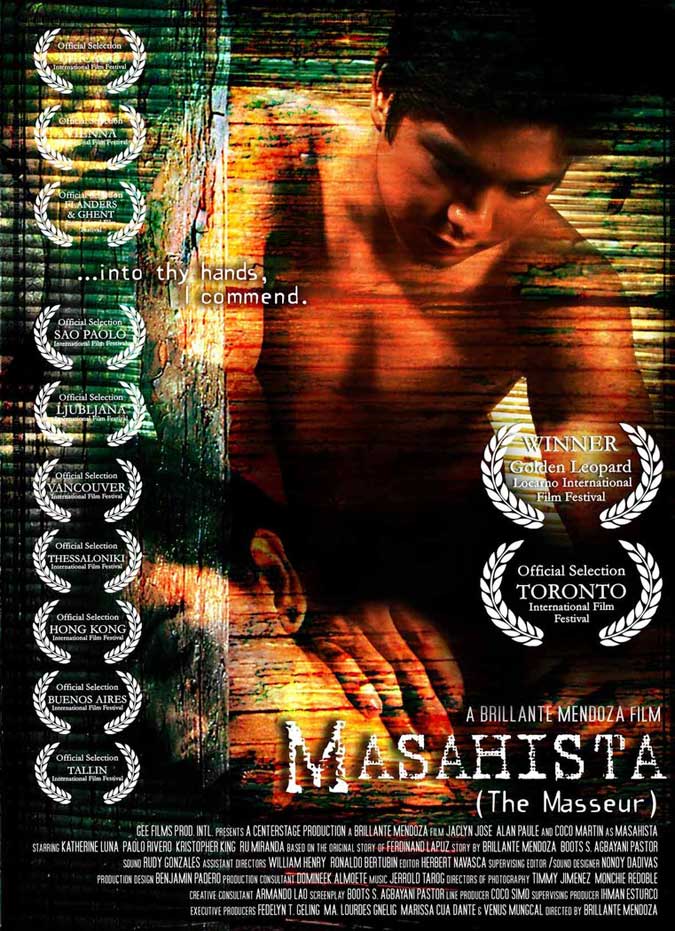
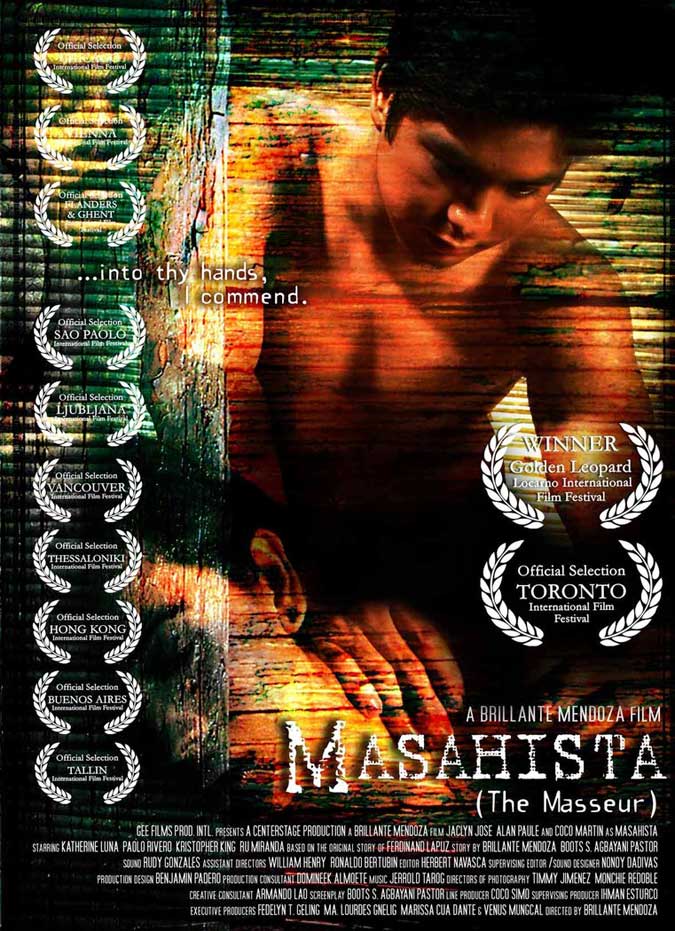
Among the movies in the lineup are Masahista by Brillante Mendoza, I Love You. Thank You by Charliebebs Gohetia, Mga Gabing Kasing Haba ng Hair Ko by Gerardo Calagui, Miss Bulalacao by Ara Chawdhury, Ang Huling Cha-Cha Ni Anita by Sigrid Andrea P. Bernardo, Best. Partee. Ever. by HF Yambao, and Ned’s Project by Lem Lorca.

Meanwhile, interested viewers can get seven-day access (which expires 48 hours after the first streaming) to the 2019 Cannes Awardee for the Queer Palm Prize and Best Screenplay, Portrait of a Lady on Fire by Céline Sciamma,  for P220. The historical drama, which stars Adèle Haenel and Noémie Merlant, tells the story of an affair between an aristocrat and a painter commissioned to paint her portrait.

To be screened for free are Rhadem Morados’ documentary Budjang, and three short films from CineSpectra 2019: A Film Festival for HIV/AIDS Awareness — A by Rod Modina, Alex & Aki by Dexter Paul de Jesus, and Doon sa Isang Sulok by Yong Tapang, Jr.

SPECIAL EVENTS AND PANEL DISCUSSIONS
The PelikuLAYA events will be streamed live on the FDCP Channel and on the FDCP’s Facebook pages and YouTube channel.

The festival’s PelikuLAYA opening program, “Thank God, It’s Pride Day!,” starts tonight at 7 p.m. with the screening of Joel Lamangan’s Lihis, a love story set during the Marcos regime involving two NPA (New People’s Army) comrades played by Jake Cuenca and Joem Bascon. The film also stars Lovi Poe, Isabelle Daza, and Gloria Diaz.

Aside from film screenings, a series of panel discussions called FDCP Film Talks will tackle LGBTQIA+ issues. These will be held from June 12 to 27.

The series starts with “My Coming Out Story” (June 12), moderated by actor and writer Phi Palmos, featuring directors Kim Timan and Rod Singh, actors Fifth Solomon and Zar Donato, and musician Miguel Odron. This will be followed by “In His/Her/Their Shoes” (June 13) which will focus on on-screen portrayals of LGBTQIA+ characters. Moderated by director Jade Castro, the panel is composed of actors Anthony Falcon, Angeli Bayani, Adrian Lindayag, and EJ Jallorina, and director Petersen Vargas.

“P’wedding Pwede Na Ba?” (June 26) tackles same-sex unions and the SOGIE Equality Bill. It will be moderated by actor and director John Lapus, featuring FDCP’s Ms. Diño, actor and musician Ice Seguerra, directors Andoy Ranay and Noel Escondo, and director-producer Perci Intalan.

Finally, “To Love Some Buddies” (June 27) highlights the need for support systems. It will be moderated by Miss Trans Global 2020 Mela Habijan, and the panel will be composed of Francis Dacanay of Love Yourself PH, Pat Bringas of UP Babaylan, Ronn Astillas of the Philippine LGBT Chamber of Commerce, Chase Tolentino of Transman Equality and Awareness Movement, and Dr. Mikee Inton-Campbell of the Society of Transsexual Women of the Philippines.

Two Pista ng Pelikulang Pilipino (PPP) Film Talks which had been conducted during that festival last year will again be available. To be streamed for free on June 19 are: “Depiction of LGBT Characters and Queer Cinema History” (4 p.m.) about how members of the audiovisual industry develop and empower LGBTQIA+ characters; and “Philippine Queer Cinema Lecture” by Nick Deocampo (6 p.m.), which explores queer stories and representation in Philippine Cinema history and how it has evolved through the years.

Meanwhile, a drag yoga session called “Yo, Gay!” will be on June 20. The best dressed participants will have the chance to win special prizes including gift cards and vouchers, and FDCP Channel hoodies and merchandise.

The PelikuLAYA closing program, Awra!: Mga Awit at Rampa para sa Ating Makulay na Komunidad, will be on June 30 at 7 p.m. It will feature a musical performance, a fashion show with members of the LGBTQIA+ community, and a free one-time screening of the restored version of T-Bird at Ako starring Nora Aunor and Vilma Santos.

To watch the PelikuLAYA films, visit and register at the FDCP Channel. For more information and inquiries, visit https://www.facebook.com/fdcpchannel or fdcpchannel.ph.

Megan Fox’s Takes Her #BeigeFit to the Next Level in This Bra and Shorts Set – POPSUGAR

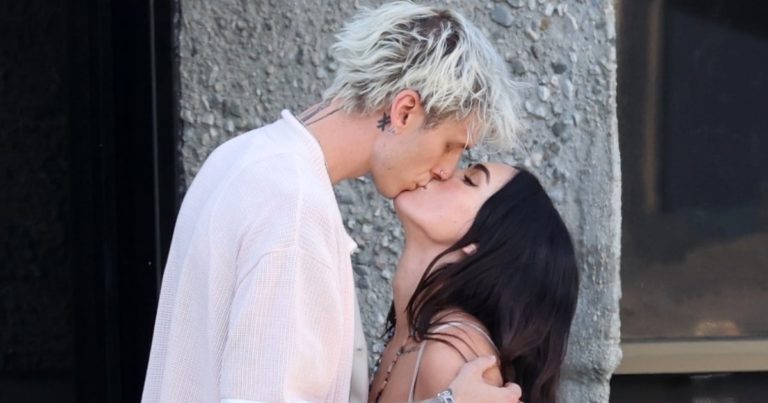
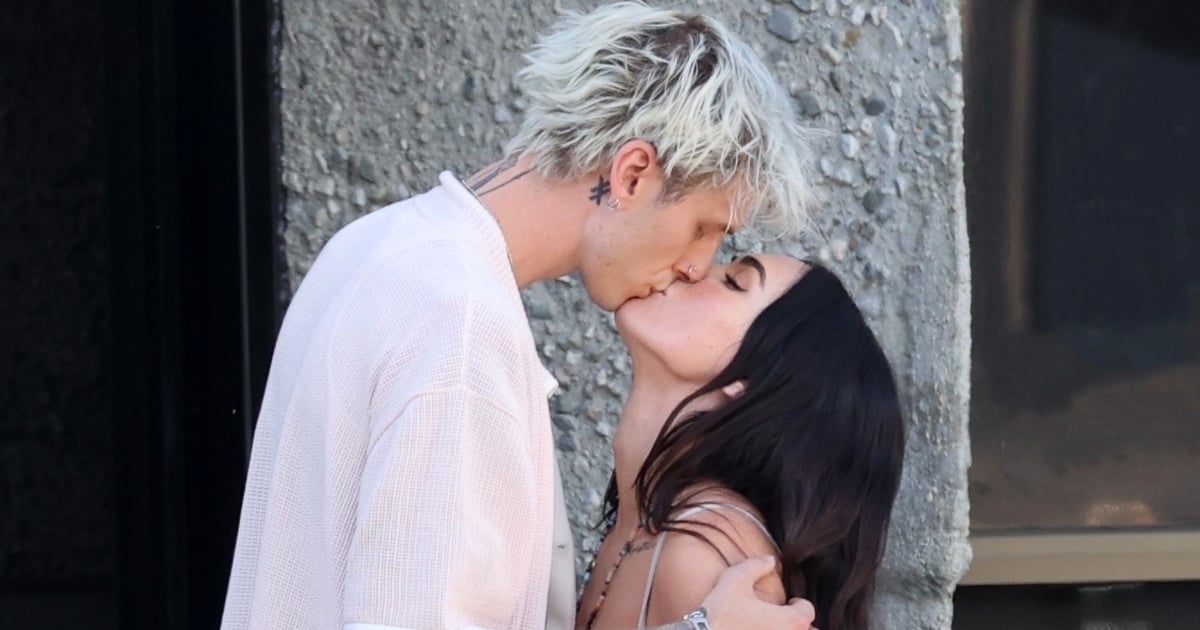
Megan Fox is all about the bralette life this summer, and we’re here for it. The actress was spotted wearing a full Joah Brown outfit while in Los Angeles with her boyfriend, Machine Gun Kelly. The actress has been serving up many sexy style moments while with her boo, and we’re having a hard time keeping track. Specifically, her red carpet looks have been rocking the internet, like her cutout Mugler dress and her formfitting neon-pink jumpsuit at the iHeartRadio Music Awards.

As for her latest outfit, Megan is wearing Joah Brown’s Structured Tank Bra in the color Dune, which is currently sold out, but you can sign up for notifications when it restocks. She matched it with the brand’s Fitted Sweat Shorts in Sahara ($88), which is still available. Lucky for you, the affordable set also comes in a variety of other colors ranging from black to gray, so you can still give the look a try. Keep reading to see Megan’s monochrome moment ahead from all angles. Then, shop out the set if you’re feeling inspired.

Resident Evil character Tyrone Henry confirmed as canonically gay – PinkNews

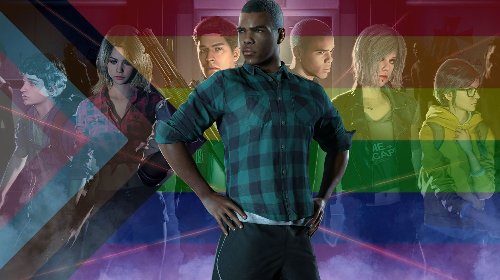
Tyrone Henry from Resident Evil Resistance has been confirmed as openly gay (Capcom)

Resident Evil character Tyrone Henry has been confirmed as gay by the director of the game on Twitter.

Resident Evil Resistance director Al Yang confirmed in a series of tweets on Twitter that Tyrone Henry, who featured in the 2020 multiplayer game. is canonically gay.

Explaining his decision to confirm Tyrone’s sexuality, Yang wrote, “It’s basically impossible to tell, but the character setting for Tyrone is that he is gay, but the goal was to write this without it becoming the sole basis of his character. The nature of PvP only games makes revealing this kind of info sometimes feel pretty abrupt”.

Resistance, which takes place in 1988 during the Raccoon City Destruction Incident shows civilians been abducted by the Umbrella Intelligence Division. Sent to the NEST2 facility, they are forced to fight a number of mutants on behalf of senior Umbrella employees to prove the effectiveness of Umbrella’s t-Virus project.

Capcom Tyrone Henry
Capcom

Speaking on the importance of why writing a gay character without necessarily dressing them in a rainbow flag was needed, Yang added, “I feel the problem with a lot of LGBT characterisation is that it’s their defining attribute (unless that is your intent for a particular reason). For me, it’s not about writing a gay character, it’s about a character that is also gay”.

With this month being Pride Month, it seems as if all the video game developers are keen to confirm who is part of the LGBT+ community. Last night, the developers of The Last of Us shared artwork with a message on their official Twitter account, celebrating the month with a nod to 5 of the characters in-game that represent the LGBT+ community.

For more gaming news, follow Gaymeo on Facebook. You can also email us with any news or tips on [email protected]

Turkish students protest at trial over LGBT flag protest – CGTN

00:52

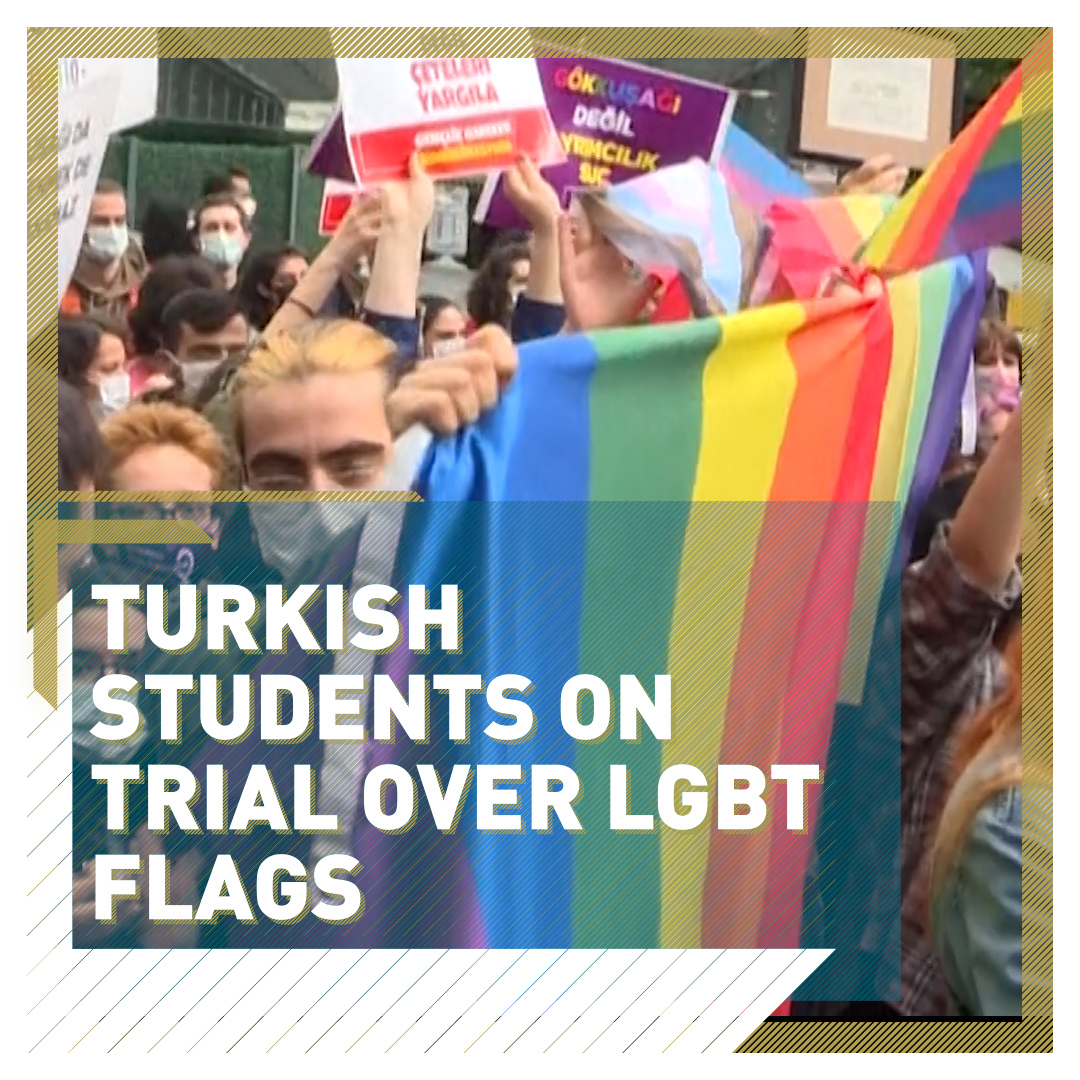
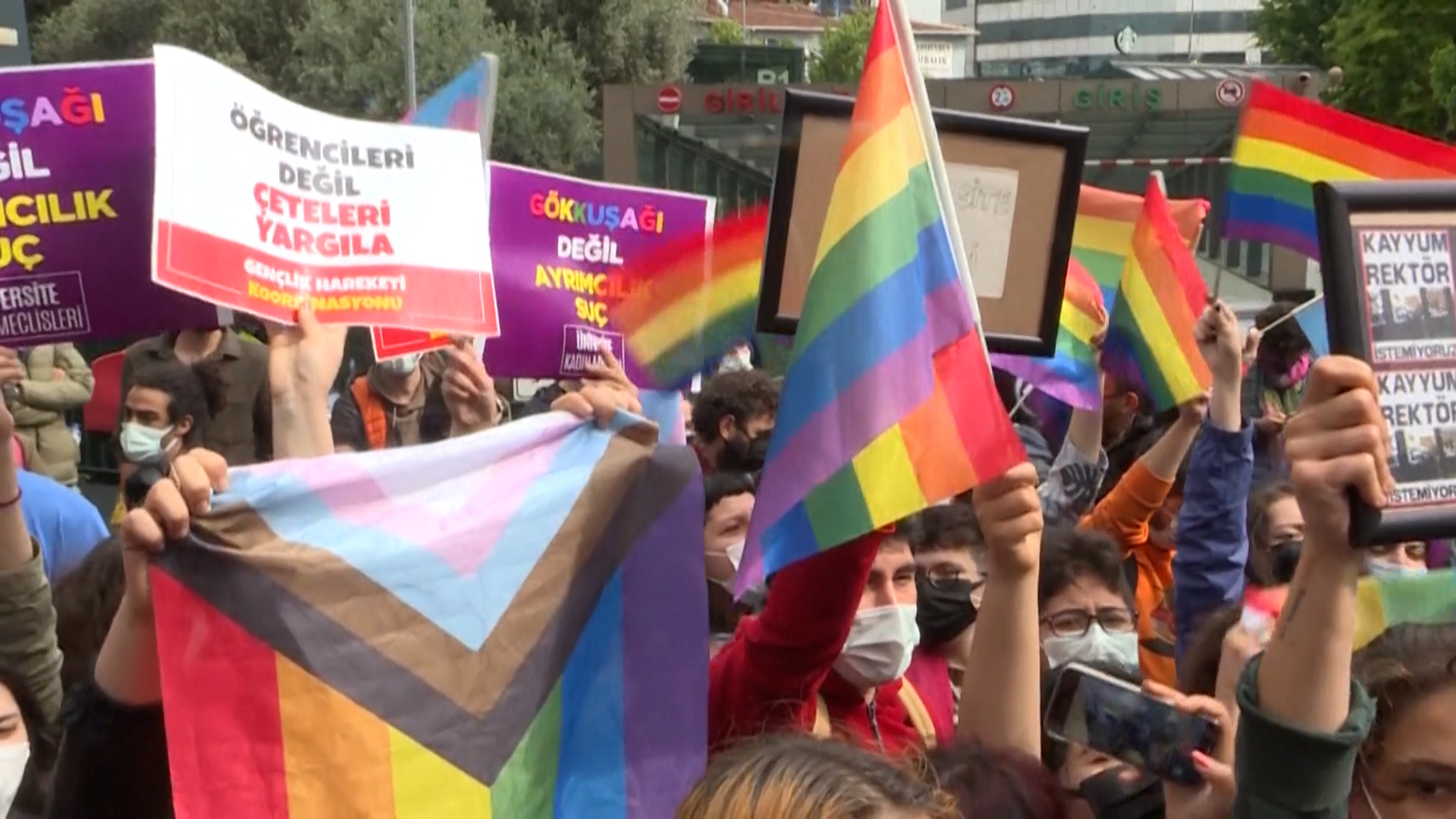
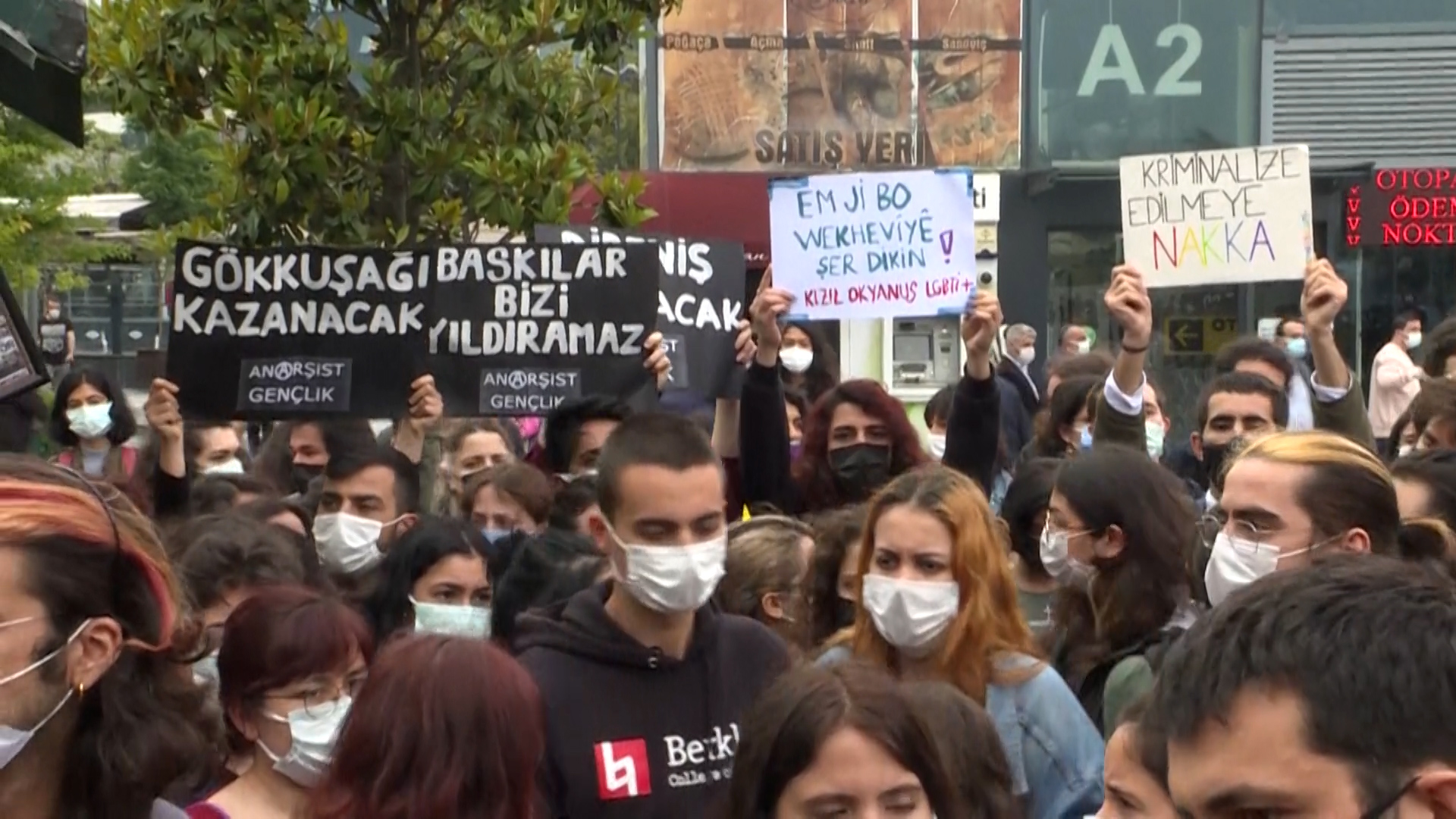
Students of Istanbul’s prestigious Bogazici University gathered in front of a tribunal in the country’s capital where twelve of their peers are being tried for unfurling LGBT flags during a protest in February.

“The rainbow cannot be tried,” read one of the signs held by a student.

Protests outside of the tribunal in Istanbul where 12 students are on trial for raising the rainbow flag during students protests earlier in the year. /AFP

Protests outside of the tribunal in Istanbul where 12 students are on trial for raising the rainbow flag during students protests earlier in the year. /AFP

Earlier this year, supporters of LGBT rights joined Bogazici students in protests against President Recep Tayyip Erdogan’s appointment of Melih Bulu, an AKP party loyalist, as the rector of the university, one of the top academic institutions in Turkey.

Protests began on the day of the appointment – January 4, with students chanting slogans such as “Melih Bulu is not our rector” and continued the month after. 

The university’s faculty stood with the students, collectively issuing a statement saying that it considered the appointment of Bulu a violation of “academic freedom and scientific autonomy, as well as democratic values.”

Bulu has said he will not resign and stated his support for LGBT rights.

Students of Istanbul’s Bogazici University have held a wave of demonstrations since January against President Recep Tayyip Erdogan’s appointment of a new rector. /AFP

Students of Istanbul’s Bogazici University have held a wave of demonstrations since January against President Recep Tayyip Erdogan’s appointment of a new rector. /AFP

On February 1, police stormed the university’s campus arresting 108 people, 97 of whom were later released before a probe was launched against them by the prosecutor’s office.

Prosecutors have demanded they each serve a jail term between 6 months and 3 years saying the suspects defied a ban on rallies imposed as part of measures to combat the pandemic.

During the protests, posters showing a combined picture of the Kaaba, Islam’s holiest site, with LGBT flags led to the arrest of four students. The protesters were labelled by Minister of Interior Süleyman Soylu as “four LGBT perverts” – a reaction that the U.S. and the United Nations described as homophobic rhetoric.

The 12 students whose trial started today were arrested for waving rainbow flags during the demonstrations. The rainbow flag has become a symbol of LGBT rights across the world but it is still controversial in Turkey.

While homosexuality is legal in Turkey, LGBT people nevertheless attract stigma and any representation of the rainbow is highly politicized. 

“Since the appointment of a rector at Bogazici University, LGBT people have been the most targeted. For this reason, we were not surprised at the extent of the flag issue,” Ebru Batur, one of the students protesting on Wednesday, told AFP reporters.

“Even today, when we wanted to gather, we were given permission but only on the condition that we do not raise the flag. But despite the ban we raised our flags and flew the colors of the rainbow here.”

Video editor: Natalia Luz

Source(s): AFP