Home Blog Page 124

Opinion | Cancel Culture Works. We Wouldn’t Have Marriage Equality Without It. – The New York Times

0

But Mr. Karger recognized how the internet had lowered barriers to rallying consumers. Instead of relying on national organizations to mediate their activism, individuals could start and promote their own boycotts. While news organizations covered his protest at the Grand Hyatt, he was not dependent on them to get out information; he disseminated information about his targets on a blog.

They treated Mr. Karger’s boycott not as a stratagem but as a breach of decorum. Many instinctively responded (much like those who today cry “cancel culture”) by celebrating their victimhood. Mr. Manchester said it was a “free-speech, First Amendment issue.” Brian Brown — the executive director for California of the National Organization for Marriage, the leading single-issue anti-gay-marriage group, led by people with close ties to leaders in the Catholic Church and the Church of Jesus Christ of Latter-day Saints — boasted after the Grand Hyatt protest that Mr. Karger’s “bullying” had backfired. The “stunt they pulled against Doug Manchester ended up raising $100,000 for the amendment in 24 hours,” Mr. Brown said in a message to supporters, “and prompted at least 2,000 new marriage supporters to join our ranks.”

But Mr. Manchester did not remain sanguine for long. The next year, he dispatched an aide to an International Gay and Lesbian Travel Association conference with an offer: $25,000 in cash and $100,000 in hotel credits for dropping the boycott. No one appeared to accept the deal, and Mr. Karger kept up the pressure on the hotels, persuading business groups to yank conferences. In late 2010, Mr. Manchester was forced to sell the property.

Others on the receiving end of Mr. Karger’s boycotts attempted to push back. Protect Marriage challenged California’s campaign-finance system in federal court, arguing that disclosure rules threatened First Amendment freedoms with a “systematic attempt to intimidate, threaten and harass donors to the Proposition 8 campaign.” In 2009, the National Organization for Marriage sued Maine, arguing that laws requiring the release of donors’ names were unconstitutional. (Courts upheld both states’ campaign-finance regimes.)

At the same time, the U.S. Supreme Court opened up channels for corporations to spend freely on campaigns, and Mr. Karger was a model for other online rabble-rousers. In the summer of 2010, lefty activists pushed Target to repudiate its $150,000 donation to MN Forward, an independent group formed to marshal corporate funds for Republican gubernatorial candidate Tom Emmer. MoveOn collected 150,000 signatures on an anti-Target petition, and 44,000 people expressed support for a Facebook page calling for a nationwide boycott because Mr. Emmer supported a constitutional amendment to define marriage as between one man and one woman. That threat led Target’s chief executive, Gregg Steinhafel, to deliver an unusual message to employees saying he was “extremely sorry” for having approved the donation.

By the time marriage came to four states’ ballots in November 2012, it was clear activists had succeeded in making it “socially unacceptable to give vast amounts of money to take away the rights of a minority,” as Mr. Karger put it. Only five individuals, none of them well known nationally, contributed over $100,000 to any of the anti-gay-marriage campaigns in 2012.

Even religious denominations responded to the new pressure. In Maine, the Catholic Diocese of Portland, which had donated $550,000 to pass Question 1, a 2009 ballot measure banning same-sex marriage, did not directly contribute anything when the issue came up again in 2012. Alan Ashton — a WordPerfect co-founder who served as a Church of Jesus Christ of Latter-day Saints bishop and stake president and was a grandson of a former church president — donated $1 million to Yes on 8. Four years later, he, too, seemed to have walked away from the issue.


From gay Nazis to ‘we’re here, we’re queer’: A century of arguing about gay pride – Yahoo News

This month, hundreds of thousands of people around the world will join gay pride marches in cities big and small. In many cities, pride marches are controversial. In some – like Moscow – they are even banned. But for many people in North America, parts of Europe, Latin America and elsewhere, attending the local pride march has become an unremarkable ritual of summer.

There are still good reasons to march. Few countries around the world have robust protections for gay and transgender rights. And pride marches, the LGBTQ political rallies that take the form of exuberant, outrageous parades, often meet hostile counterdemonstrators.

But such expressions of pride have faced another sort of opposition: from within the queer and trans communities themselves. One reason is that gay and trans rights doesn’t describe a single, unitary political movement.

I am a historian of queer and trans politics. My research, together with that of James Steakley, Katie Sutton, Robert Beachy and many others, shows that there are several traditions of gay and trans activism. These traditions have not always gotten along. And some of them hate what pride is all about.

A history of multiple movements

Gay and trans rights movements are quite old. For more than 100 years, political groups have been fighting on behalf of same-sex desires, gender nonconformity and transition from one gender to the other – although the terms “gay rights” and “trans rights” are relatively recent inventions.

By the late 1800s, a movement that called itself “homosexual emancipation” formed in Germany. It boomed after World War I and flourished in the 1920s under the democracy that existed before the Nazis took over. The movement included people who called themselves “transvestites.” Were they alive today, many would probably use the term transgender.

From the beginning, gay and transgender activists split into a dizzying array of factions. All were in favor of greater legal and social tolerance for same-sex relationships. But beyond that narrow common ground, they were a political hodgepodge.

Some were leftists. One prominent leader of a gay rights group was also an important player in Berlin’s communist party. Others were middle-of-the road, calling for the end of Germany’s law against sodomy but otherwise content with the status quo. There were even right-wing, explicitly racist gay rights activists.

The Nazi Party itself was zealously anti-gay. Once in power, the Nazis murdered thousands of men for the “crime” of male-male sex. Yet, the historical record shows that a small number of men quietly belonged to both the homosexual emancipation movement and the Nazi Party, though they were not open about their sexuality within the party. Historians are still debating the significance of homosexuality in the Nazi Party. The small faction of gay fascists lauded erotic relationships between manly, “Aryan” soldier types while loathing feminists, Jews and leftists.

As you might imagine, these different camps within the homosexual emancipation movement did not agree on lots of things.

A debate about discretion

One of their big disagreements was about discretion: Was it acceptable for same-sex couples and gender nonconformists to cavort in view of the straight public?

Fifty years before pride marches began, 1920s Berlin had a jumping nightlife of gay male, lesbian and transvestite establishments featuring clubs like the Eldorado – known for its cross-dressing wait staff – and dance palaces like the Magic Flute. There was even a yearly all-women moonlight cruise. The pre-Nazi government’s approach was live and let live.

Not all advocates of gay rights, however, liked this public culture.

One man, a self-professed gay Nazi, wrote that Berlin’s clubs were “insalubrious” places where people surrendered to their animal lusts, and that “the general public inevitably gets the impression that it” – that is, the gay rights movement – “is all about sex.” This man wanted to celebrate homoerotic comradeship, a spiritual love, as he described it, as well as a physical one. However, he wanted to celebrate this manly love with maximum discretion, and certainly not in public. He wrote: “What two men do in the barracks,” by which he meant the barracks of the Nazi Party militia, “is no one’s business.”

Such complaints were not limited to the far right. Moderate activists had their own doubts about the bars and dance halls. One leader of transvestites warned, “When we demand that the public acknowledge us, then we have the duty to dress and conduct ourselves publicly in an inconspicuous manner.” Transvestites were told to avoid gaudy accessories like costume rings or oversized earrings.

To admit that one was homosexual or a transvestite in public in the 1920s was to court serious social and legal consequences. Activists of that era probably could not have imagined that one day people would march in large groups down public streets celebrating their homosexual and transgender selves.

‘We’re here, we’re queer’

In 1970, activists organized the first pride marches to mark the one-year anniversary of the Stonewall riots. Those riots occurred the summer before when people fought back against a police raid of a queer bar called the Stonewall Inn in New York’s Greenwich Village.

Pride exploded the old worries about discretion when it arrived in cities around the world in the 1970s.

Pride reveled in gaudy accessories. It had lots of scanty dress, too, from drag queens in slinky gowns to shirtless dykes with political slogans scrawled in marker across their chests. By bringing the party – along with the politics – into the streets in broad daylight, pride fought against homophobia. At the same time, it flatly rejected the old fears about overt public displays.

“We’re here, we’re queer, get used to it,” a favorite chant at pride, was not only directed at mainstream, straight society. It was also, in my opinion, an answer-back to the debate about discretion that had marked the long history of gay and trans activism.

More debates about pride

By the 1990s, pride marches had run into more controversy within activist circles. They were criticized as too commercial, too male-dominated, too devoid of a broader left-of-center political agenda and insufficiently inclusive of people of color – or indeed downright racist and Islamophobic. Alternative demonstrations cropped up, like Berlin’s Alternative Pride and New York City’s Dyke March. Debates about pride continue to this day.

Pride is in part what people make of it. A pride march can have a social justice agenda. Or it can have a pro-Trump agenda.

Yet pride’s history is a story of a radical break with right-wing and even middle-of-the-road gay and trans politics. Pride rejected respectability and discretion.

Traces of that history probably survive in your local pride march. Look for the people who are not worried about alarming the straights.

This article is republished from The Conversation, a nonprofit news site dedicated to sharing ideas from academic experts.

Read more:

Laurie Marhoefer has received funding from the German Academic Exchange Service (DAAD) and the Andrew W. Mellon Foundation.

Tag Archives: The Lumber Yard Bar – southseattleemerald.com

by Jax Kiel

Intentionalist is built on one simple idea: where we spend our money matters. We make it easy to find, learn about, and support small businesses and the diverse people behind them through everyday decisions about where we eat, drink, and shop. #SpendLikeItMatters


LGBTQIA+ small business owners have a lot to be proud of, from overcoming the barriers of being queer and out in the professional world, to navigating the year of pandemic shutdown that shocked the world. Despite it all, they keep going. 

Historically, LGBTQIA+-owned businesses and spaces have been places of refuge, of rebellion, and the only places queer people could find other people like them. To this day, our communities gain so much from LGBTQIA+-owned small businesses. Queer business owners create safe, welcoming community spaces, donate profits to LGBTQ+ nonprofit organizations, and queer children have role models to look up to.

LGBTQIA+-owned businesses contribute over $1.7 trillion to the U.S. economy, creating good jobs and innovating industries, and building wealth in the LGBTQIA+ community, according to The National LGBT Chamber of Commerce. Take this opportunity to spend with pride and be intentional about giving money back to LGBTQIA+-owned small businesses. 

This month, Intentionalist is teaming up with Seattle Sounders FC, Seattle Storm, Seattle Seahawks, OL Reign, Seattle Mariners, and Seattle Kraken to encourage everyone to Spend With Pride. Upload your receipt from a local LGBTQIA+-owned business to Intentionalist’s website for a chance to win a Pride prize pack from your favorite sports team. If we hit our goal of $25,000, each team will make a donation to support local nonprofit Gender Diversity.

Here are three Seattle-area businesses where we encourage you to Spend With Pride!

Continue reading Intentionalist: Spend With Pride at These Seattle LGBTQIA+-Owned Businesses

LGBTQIA+ Businesses – southseattleemerald.com

by Jax Kiel

Intentionalist is built on one simple idea: where we spend our money matters. We make it easy to find, learn about, and support small businesses and the diverse people behind them through everyday decisions about where we eat, drink, and shop. #SpendLikeItMatters


LGBTQIA+ small business owners have a lot to be proud of, from overcoming the barriers of being queer and out in the professional world, to navigating the year of pandemic shutdown that shocked the world. Despite it all, they keep going. 

Historically, LGBTQIA+-owned businesses and spaces have been places of refuge, of rebellion, and the only places queer people could find other people like them. To this day, our communities gain so much from LGBTQIA+-owned small businesses. Queer business owners create safe, welcoming community spaces, donate profits to LGBTQ+ nonprofit organizations, and queer children have role models to look up to.

LGBTQIA+-owned businesses contribute over $1.7 trillion to the U.S. economy, creating good jobs and innovating industries, and building wealth in the LGBTQIA+ community, according to The National LGBT Chamber of Commerce. Take this opportunity to spend with pride and be intentional about giving money back to LGBTQIA+-owned small businesses. 

This month, Intentionalist is teaming up with Seattle Sounders FC, Seattle Storm, Seattle Seahawks, OL Reign, Seattle Mariners, and Seattle Kraken to encourage everyone to Spend With Pride. Upload your receipt from a local LGBTQIA+-owned business to Intentionalist’s website for a chance to win a Pride prize pack from your favorite sports team. If we hit our goal of $25,000, each team will make a donation to support local nonprofit Gender Diversity.

Here are three Seattle-area businesses where we encourage you to Spend With Pride!

Continue reading Intentionalist: Spend With Pride at These Seattle LGBTQIA+-Owned Businesses

Pride Month meets Wall Street as new LGBTQ ETF hits the market – CNBC

Just in time for Pride Month, Wall Street has its first LGBTQ-focused ETF.

ProcureAM, in partnership with LGBTQ Loyalty Holdings, launched the new LGBTQ100 ESG ETF this week. The first-of-its-kind fund uses LGBTQ community data to identify the top 100 companies that most align with the group’s environmental, social, and corporate governance (ESG) goals. The fund includes names like Estee Lauder, Facebook, Starbucks, PayPal, Visa and more. 

In an interview with CNBC’s “ETF Edge“, ETF Trends CEO Tom Lydon gave his outlook on the fund. 

“You’ve got a real strong group of advocates for this, for the right time, and I think those things are going to be key and critical to what’s going on in the future,” he said Wednesday, pointing to supporters of the fund such as former congressman Barney Frank, and Martina Navratilova, a former professional tennis player and a known advocate for transgender and gay rights. 

“People will pay attention,” Lydon added. “I think there’s going to be a lot of pull for it.”

The man behind the fund, Procure Holdings co-founder Bob Tull, shared his insider perspective on the fund during the same interview. He explained the unique approach used to select the securities within the fund, which separates it from traditional funds that use quantitative analytics alone.

“The structure started out with over a thousand securities and then the first thing we did was screen them for inclusion and ESG using the UN standards,” he said. “The members of the community are very loyal and so there’s a sentiment component to this index.”

In the same “ETF Edge” interview, Andrew McOrmond, managing director at WallachBeth Capital, said it comes down to this new wave of investors. He says the new investor is younger and emphasizes the intersection between social governance goals and investing. These young people are also climbing the ranks in these top companies. 

“If these companies are supporting no exclusion and a diverse workplace, they’re going to attract top talent,” he said. “Top talent means the company performs better.”

It’s a positive feedback loop. As young talent join companies that bolster ESG values, those companies perform better, and as a result, their stock price rises in the long-term.

“I think that’s the underlying thing that’s going to drive this thing in the long term,” McOrmond said. 

Disclaimer

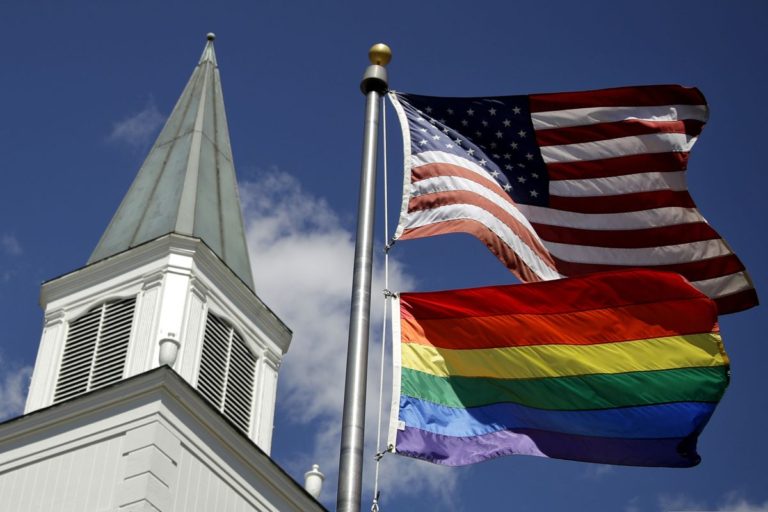
Florida: Non-binary student, 12, attacked for bringing LGBT flag to picnic – Metro.co.uk

Non-binary student attacked for bringing LGBT flag to picnic
Leo’s sister shared a clip of the incident on Twitter and urged people to call the school

A non-binary student, 12, was attacked at a school picnic just for displaying an LGBT+ rainbow flag.

Leo Hoffman was dragged along the ground and had water thrown on their head as they tried to wrestle back control of the flag which had been snatched by fellow students.

Florida police are investigating the incident and the school has suspended multiple people who were involved.

Leo and their friends had been enjoying the picnic at Seminole Middle School in Plantation on May 28 when they decided to display the flag.

A male student grabbed it and threw it in a trash can, Leo’s father Benjamin Hoffman told Bay News Nine.

Leo took it back and decided to wear it as a cape before it was snatched by the same student again, resulting in Leo being thrown to the ground.

Their sister, Ashleigh, posted a clip of the incident on Twitter with the caption: ‘This is a video of my little sibling Leo who is non-binary being drug to the ground, stomped on, and covered in water just for wearing a pride flag at school.’

The clip shows several students trying to intervene while some giggle and laugh at the unfolding scenes.

Mr Hoffman told Bay News: ‘Leo was frightened. Not so much for themselves but for their friends. Leo is very strong and would do anything to protect their friends.’

Ashleigh later tweeted again to thank ‘everyone who had called’ the school to complain about the video. She added that the school’s principal had ‘just let us know that the five main boys involved have been suspended and that they are pursuing a full investigation.’

Hoffman said didn’t want ‘to see someone’s kid expelled from school’ but he said: ‘you can’t lay your hands on another person’, adding: ‘It’s just not acceptable.’

The school is set to introduce an anti-bullying programme when the students return later in the year.

Pinellas County Schools Public Information Officer Isabel Mascareñas told WTSP: ‘The students’ behavior was inappropriate and unacceptable, and they were quickly disciplined. Pinellas County Schools does not tolerate this behavior.

‘Pinellas County Schools welcomes everyone, and we teach students to accept and respect others for who they are.’ she added. ‘The district values diversity and promotes inclusion.’

Get in touch with our news team by emailing us at webnews@metro.co.uk.

For more stories like this, check our news page.

Kansas City In 1960s Gay Rights History – KCUR

That’s just one piece of the city’s LGBTQ history Stuart Hinds tells. There’s also the nightlife of the 60s and the organization that distributed information for gay men and opened the city’s first gay community center, the Phoenix House.

  • Stuart Hinds, curator of Special Collections & Archives at UMKC and curator of the Gay and Lesbian Archives of Mid America (GLAMA)

Aubrey Huff Tells Little League Baseball To ‘Eat A D–k’ For Promoting Gay Pride Month: ‘Living In F–ked Up Times’ (TWEETS) – Total Pro Sports

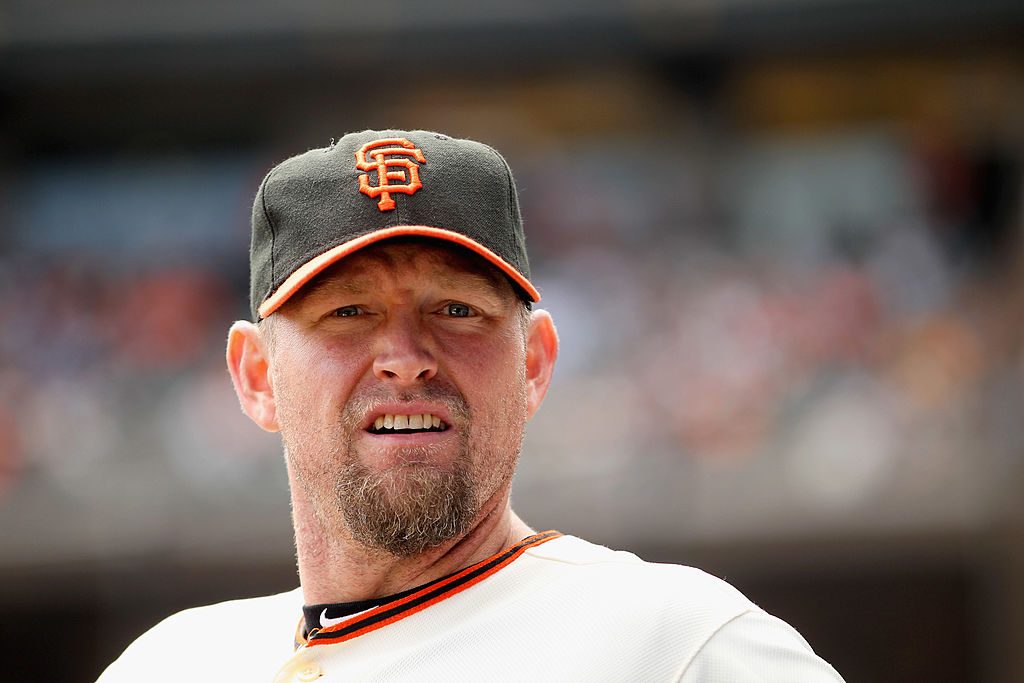
(Photo by Ezra Shaw/Getty Images)

As many on social media correctly predicted, Aubrey Huff is piping hot mad that we are in the month of June and it is officially Pride Month.

His former team, the San Francisco Giants, will celebrate Pride Month by displaying Pride colors on the right sleeve of their home jerseys and on the “SF” logo of their caps for Saturday’s game against the Chicago Cubs.

“One would expect this from the “woke” @SFGiants. All you conservative players wear it with pride!”

He had an even bigger reaction when he found out Little League Baseball was promoting Pride month.

The San Francisco Giants will become the first Major League Baseball team to play in Pride uniforms.

“We are extremely proud to stand with the LGBTQ+ community as we kick off one of the best annual celebrations in San Francisco by paying honor to the countless achievements and contributions of all those who identify as LGBTQ+ and are allies of the LGBTQ+ community,” Giants President and CEO Larry Baer said through a statement.

Share This

More LGBT judges on Colorado appeals court than initially thought – Colorado Newsline

BRIEF

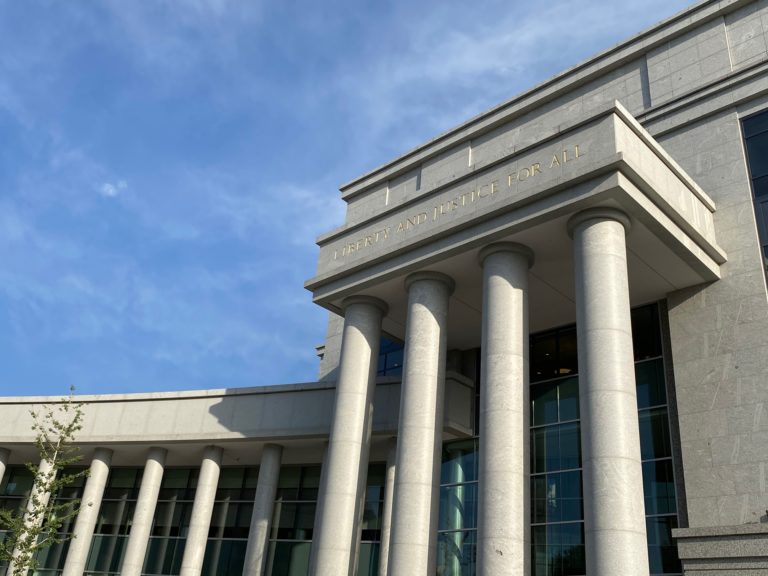
A photo of the Colorado Supreme Court on July 2, 2020. (Quentin Young/Colorado Newsline)

When Gov. Jared Polis announced the appointment of W. Eric Kuhn to the Colorado Court of Appeals, the governor highlighted that the appointment was made during Pride Month.

The announcement came Thursday. “With this announcement at the beginning of pride month, the diversity of the Court of Appeals is increased with the addition of their only LGBT judge,” Polis, who in 2018 became the nation’s first openly gay man elected governor, said in a statement.

Not so fast.

Kuhn, it turns out, will in fact be at least the second LGBT judge sitting on the 22-member court.

Judge Anthony J. Navarro is also a member of the LGBT community, as the governor’s office acknowledged by Friday. Navarro was appointed to the court in 2012 and is a former Colorado LGBT Bar Association board member.

On Friday the governor’s office sent out a corrected announcement, which said that with Kuhn’s appointment “the diversity of the Court of Appeals is increased with the addition of one of the only LGBT judges” on the court.

The court hears cases appealed out of Colorado district courts, and its own rulings are subject to review by only one other judicial authority in the state, the Colorado Supreme Court.

Kuhn’s appointment was occasioned by the retirement of Judge Diana Terry. He is a senior assistant attorney general in the Colorado attorney general’s office, serving most recently in the office’s Health Care Unit.

“Eric has been indispensable to the State since the start of the COVID-19 pandemic, providing thoughtful and measured legal counsel on a wide variety of public health and constitutional issues,” Polis said in his statement.

Kuhn earned a bachelor’s degree from Colorado College in 1995 and a law degree from the University of Denver Sturm College of Law in 2006. He previously worked at the Law Offices of Bradley J. Frigon.

Book review: William Gay’s ‘Fugitives of the Heart’ is an homage to Mark Twain – Chattanooga Times Free Press

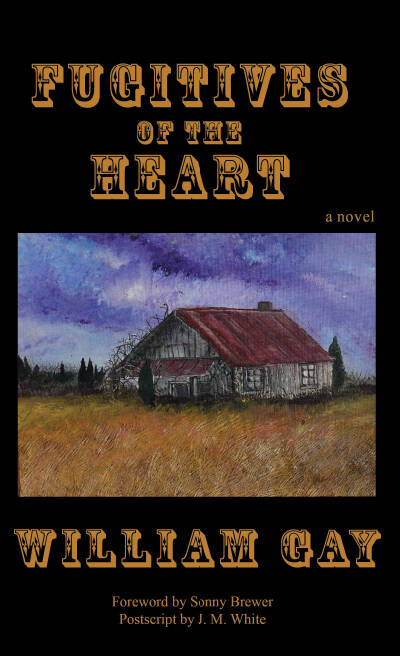
“FUGITIVES OF THE HEART” by William Gay (Livingston Press, 252 pages, $29).

Times are hard for the characters who populate William Gay’s “Fugitives of the Heart,” the last in a string of posthumous novels pieced together by his friends from an attic full of scenes Gay left behind. The writing in these fragments, as always with Gay’s work, was exquisite. For J.M. White, Sonny Brewer and the other writers who figured out how the scenes fit together, the effort was worth it, a forensic labor of love they feel even now for a writer who died in 2012. William Gay, they will tell you, was one of a kind; more precisely, he was a once-in-a-generation talent who could read the works of Mark Twain, William Faulkner or Cormac McCarthy, absorb what they were trying to do, then do it himself and make it his own.

“Fugitives of the Heart” is Gay’s homage to Twain. Yates, the protagonist, is just a boy when his daddy is killed, shot for stealing a side of meat from a neighbor in the hills of Tennessee. He’s Huck Finn in a different century, a boy of battered nobility and heart, hard around the edges and living off the land, whose only real friend is a Black man getting by on the margins of the segregated South. This is the rough South, the hills and hollows of Appalachia, where the Depression came early and never went away and people just do the best they can. Some of them, anyway. But maybe not Yates’ daddy, whose body is dumped from the back of a wagon by the man who caught him stealing from the smokehouse. The killer also leaves the side of meat: “If he wanted it bad enough to trade his life for it then it’s hisn.”

This is where the story begins, with a moment so cruel and unexpected that it is almost more than a boy can bear. But the mountains turn pretty in the spring — “a warm wind looping up from the south” — and Yates takes heart:

“He saw this early spring as a gift from the fates. A balancing of some cosmic scale. The scent of wildflower rode the winds, and he moved through this Edenic world with a newfound confidence. He began to think he might make it after all.”

some text
Livingston Press / “Fugitives of the Heart”

In a postscript to “Fugitives of the Heart,” White writes about the first time he visited Gay and they were talking about Cormac McCarthy. Gay urged White to read McCarthy’s “Suttree,” and White reported that he was “blown away” — not only by McCarthy’s exquisite language, but by his ability, as White put it, “to make readers aware of events without ever describing them in the text.” It was an artful literary device that White could see in Gay’s own writing. When they talked about it, Gay smiled. The prototype, he told White, could be found in Faulkner’s “The Hamlet” — such had been Gay’s study of the craft, the literary art, that he detected in other writers and incorporated into his work.

He loved to talk about his favorites, almost to revel in his own admiration. His publisher, Joe Taylor of Livingston Press, recalls him as “one of the most humble writers I’d ever met,” and in “Fugitives of the Heart,” Gay lets his central character find words for his respect. Late in the novel, Yates, the boy, reflects on life with the Widow Paiton, an attractive neighbor who has taken him in, offering, in this cold and forbidding land, a warm place to stay:

“Nights by the fire she’d read to him Biblical tales. The stories of stern old prophets, their mad ravings She’d temper this with Twain, a chapter a night of Huckleberry Finn, Jim and Huck in a fix on the sunrimpled Mississippi.”

Ultimately, of course, “Fugitives of the Heart” is not “The Adventures of Huckleberry Finn,” nor is it merely an echo set in another time. It is not as funny, for one thing. Its humor takes the form of irony, and while it is written in third person, not first, Gay has a gift for point of view, reflecting the world through the eyes of a ragamuffin boy, while still managing, as Twain did, to write in scenes that are lyrical and lovely — almost as if he were painting with words. But the portrait is dark. The interracial friendship at the heart of the story, which seems so promising at the start — flintier, perhaps, than the relationship between Jim and Huck, but a bulwark against a hard world — abruptly takes on the specter of betrayal. Redemption comes at a terrible cost, more in the form of authentic survival, and we are left with the unmistakable sense that this is the best Yates can hope for.

Or the rest of us, for that matter.

To read an uncut version of this review — and more local book coverage — visit Chapter16.org, an online publication of Humanities Tennessee.

Blake Lee’s Favorite Cruel Summer Scene Has Nothing to Do With His Character – E! NEWS

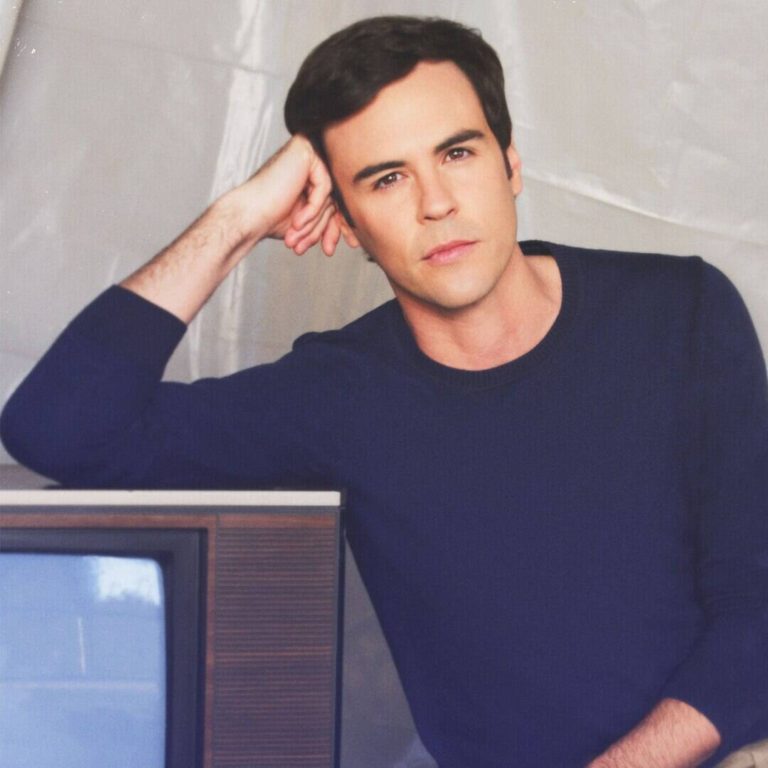
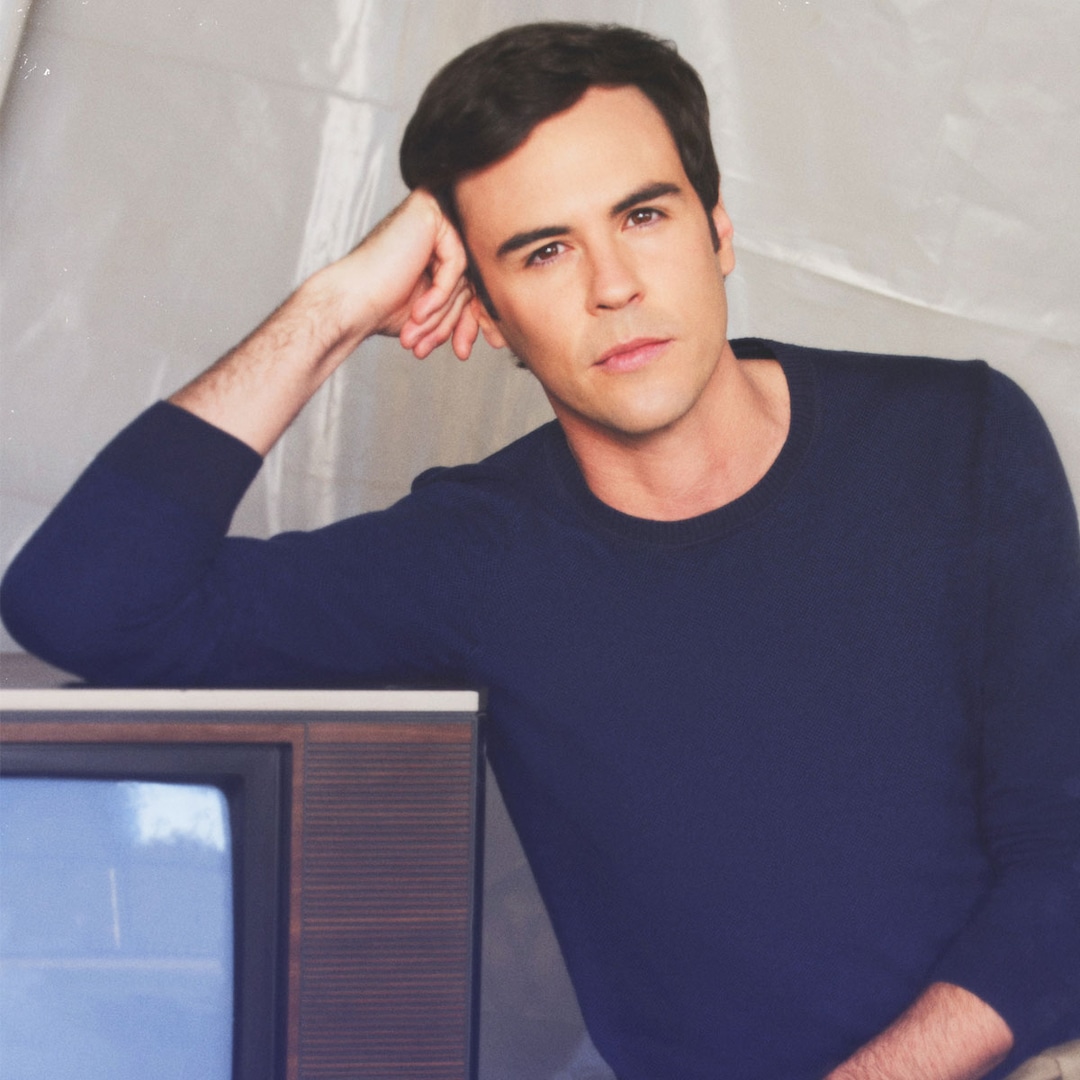
As he continued, Blake applauded his co-stars for doing “such a good job” with the scene. “It’s just such an honest, sweet depiction of these two men that fall in love,” he added. “And it’s really, really beautiful. And I think that the writers did a great job at showing that.”

In fact, as the 37-year-old actor shared with E! News, this scene is one of his favorites in the entire season. Why? Well, he explained, “To see yourself represented I think is the most important thing, and I think that this show is doing a good job at showing an honest, real, gay love story.”

Kansas City Faith Blogger Considers Catholic Clerics Vs. LGBT Pride » 4State News MO AR KS OK – 4state-logo12

Kansas City Faith Blogger Considers Catholic Clerics Vs. LGBT Pride


style=”display:inline-block;width:728px;height:90px” data-ad-client=”ca-pub-1064213803427912″ data-ad-slot=”4222299391″>

The latest note from Kansas City blogger Bill Tammeus offers a glimpse at the history of the Bible and how it has influenced current religious dogma.

Here’s his hopeful premise for pride month . . .

“Perhaps if the Vatican pays attention to the scholarship represented by the theologians who created the latest statement about this instead of paying attention to a sad history of oppression of gay people, it will change its mind, too.”

Read more . . .

Theologians challenge the Vatican on LGBTQ+ issues

If the Vatican ever changes its teaching that homosexuality is “objectively disordered,” (ask me about this in 50 or 100 years) it may be in response to serious theologians who are telling church leaders that their understanding is not biblical….

Post A Comment

Why the battle for gay marriage was won so easily – Anchorage Daily News

What if the defining gay rights demand of the past generation had not been equal marriage rights but an affirmative-action program for employment in areas – say, the federal government – where gay men and lesbians had suffered historic discrimination?

That’s a question I asked myself as I wondered about the remarkable turn the debate over same-sex marriage took over the past decade. As marriage equality rose to national attention in the mid-1990s, it was widely assumed that a subject with such deep religious and moral meaning would produce the type of long and grinding conflict that would occupy the country for generations. Indeed, for much of the 2000s, marriage was the most contentious domestic issue in the country. Yet by the next decade, it seemed to have disappeared as a subject for live political debate just as quickly as it had emerged. Even as conservatives fight for religious-liberty exemptions from the new norms around same-sex marriage, such as those the Supreme Court is considering in a challenge from a Catholic social-services agency that refuses to place foster children in gay families, they’ve effectively conceded defeat in the broader war over the law.

The earlier civil rights projects to which the quest for marriage equality was often compared – notably, for women’s suffrage and racial desegregation – not only took much longer to reach their goals but also appeared to leave a residue of unresolved conflict even after the constitutional issues were settled. While there are many useful points of analogy among these social movements, notably in terms of strategy and tactics, a big difference explains why this one played out so differently: Those in power did not have to give anything up to agree to the demand for marriage equality.

Imagine the defining civil rights struggles of American history not just as quests for equality and justice but as contests over scarce resources. Full property rights for women, which proceeded suffrage as the first major women’s rights campaign, compromised the wealth of husbands and fathers. Expanding the right to vote across gender and racial lines diluted the political power of White men. Increased rights and opportunities for immigrants have been seen as a threat to jobs for the native-born. Educational integration generated rivalry for space in neighborhood schools; nondiscrimination laws increased competition among renters and buyers in historically segregated communities. The Americans With Disabilities Act forced building owners to budget for retrofitting their properties.

Early on, it seemed like the marriage equality fight would proceed the same way. Those defending the status quo initially thrashed about for ways to characterize the damage that a change in the law would supposedly have. In the spring of 1996, White House talking points on the topic – which President Bill Clinton personally approved – argued that the president “does not believe it is appropriate for scarce federal resources to be devoted to providing spousal benefits to partners in gay and lesbian relationships.” That fall, after its Supreme Court became the first on Earth to rule that the fundamental right to marriage might extend to same-sex couples, Hawaii was forced to justify their exclusion at trial. In pretrial statements, the state attorney general’s office auditioned a range of potential rationales: that Hawaii authorities had an interest in ensuring that the state’s legal relationships were recognized in other jurisdictions; that the state had an interest in furthering procreation within marriage; that heterosexual marriages were better for children; that the islands’ tourist economy could suffer if Hawaii became Lake Tahoe for gay and lesbian couples.

But none of these rationales managed to persuade judges – either in Hawaii or in subsequent successful challenges to marriage laws in Vermont, Massachusetts, Connecticut, California and Iowa. After the first federal trial in 2010, about the constitutionality of California’s Proposition 8, which banned same-sex marriage, U.S. District Judge Vaughn Walker delivered a withering assessment of “the minimal evidentiary presentation” that the law’s defenders had made in his San Francisco courtroom. “The trial evidence provides no basis for establishing that California has an interest in refusing to recognize marriage between two people because of their sex,” Walker wrote.

Judges also brushed aside the most significant menace that marriage opponents invoked: that clergy could be compelled to officiate nuptials against their beliefs. When the Church of Jesus Christ of Latter-day Saints attempted to formally intervene in the Hawaii trial, on the basis that its nonprofit status could be at stake if it refused to participate in same-sex marriages, the state Supreme Court dismissed the request, saying that the church had no “interest relating to the property or transaction” at stake. In a landmark 2003 decision ordering town clerks to let same-sex couples marry, Massachusetts’s top court explained that its opinion “in no way limits the rights of individuals to refuse to marry persons of the same sex for religious or any other reasons.” States that passed legislation on the question, like New York, included explicit religious exemptions.

When Massachusetts began permitting the first legal American same-sex marriages, in 2004, opponents lost their most powerful political rhetoric. Beforehand, they brandished apocalyptic visions of what would follow. Sen. Rick Santorum (R-Pa.), who had likened the 2003 Massachusetts ruling to the 9/11 attacks, observed that “the family is the bedrock of our society. Unless we protect it with the institution of marriage, our country will fall.” But afterward, even the most cynical observers of events in Massachusetts and the states that followed its lead could not point to any societal decay that gay marriage brought.

In both the legal and political spheres, opponents were forced to shrink the circle of those expected to feel direct harm from letting gay men and lesbians marry. By the start of the 2010s, same-sex marriage opponents were basically reduced to arguing that the status quo protected children, both those who would be raised (under supposedly disadvantaged conditions) in same-sex households and those who weren’t but were being taught in school to accept them. When asked to identify who actually had been hurt, opponents would point to the same handful of high-profile examples: the Massachusetts man arrested for trespassing when he challenged school officials over the materials in his son’s “diversity book bag” depicting a lesbian couple with children, or the San Francisco elementary-schoolers taken on a class trip to watch their lesbian teacher wed at City Hall. Even if simple exposure to gay families caused harm to children (and gay-marriage opponents could never muster anything beyond conjecture to support that claim), they did not bring much to the fight against same-sex marriage as voters, donors or activists.

At the same time, the coalition of those invested in legalizing same-sex marriage not only broadened, but their investment in the outcome deepened. This included not just gay couples who wanted to marry – drawn to the unique material benefits and symbolic power the institution offered – but their families and communities who saw marriage as a source of stability, and even employers who wanted to synchronize their benefits with the law and standardize them across state lines. Even those who had won the right to wed where they lived had a material interest in continuing to agitate for a change in the law, since the Defense of Marriage Act denied them any of the federal benefits available to married couples, and the recognition of their relationship was at risk whenever they crossed state lines.

This all generated a very different dynamic than other social movements, which include a contest not only over public values – equality, liberty, justice – but also for scarce resources. During the civil rights movement, Black activists determined that the strongest White resistance would come in areas where those public values were at stake. Research published by the sociologist Gunnar Myrdalin 1944 showed that White Americans overwhelmingly prioritized keeping “the bar against intermarriage” rather than restrictions on voting rights, schooling or public accommodations. Civil rights organizations waited until they had knocked down Jim Crow laws in those areas before challenging race-based marriage classifications. Even then, it was the American Civil Liberties Union, not the NAACP, that filed the Loving v. Virginia lawsuit, which led the Supreme Court to strike down intermarriage bans in 1967.

But ultimately the Loving decision did not provoke much of a direct political reaction, in part because no one who saw themselves on the losing side had to give anything up. Despite its momentousness, it now looks like a blip between the far more contentious responses to 1954′s Brown v. Board of Education, which desegregated public schools, and 1978′s Regents of the University of California v. Bakke,which upheld affirmative-action programs.

It was an accident of history, catalyzed by local events in Hawaii, that marriage equality rose to the top of the gay rights agenda at the start of this century. That’s what had me wondering about counterfactuals: How would the politics have been different if otherwise liberal-minded parents worried that their children would miss out on employment opportunities for which queer candidates were given preferential treatment? Or what if each state had only a set number of marriage licenses to give out each year, and each time one went to a gay couple, a straight couple had to wait?

As a matter of implementation, changing marriage laws is easy: It typically requires local clerks and state officials to alter a few words on a form. Ultimately, it doesn’t create any losers, which may be one reason those who lost the battle over marriage rights have flocked to religious-liberty cases championing people who claim that being forced to acknowledge the change in law violates their beliefs. In cake bakers and foster-care agencies, gay-marriage opponents finally found people who felt they had something to lose.

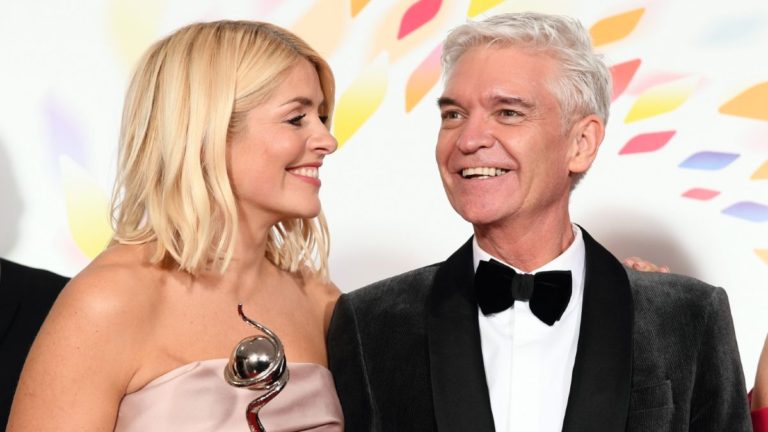
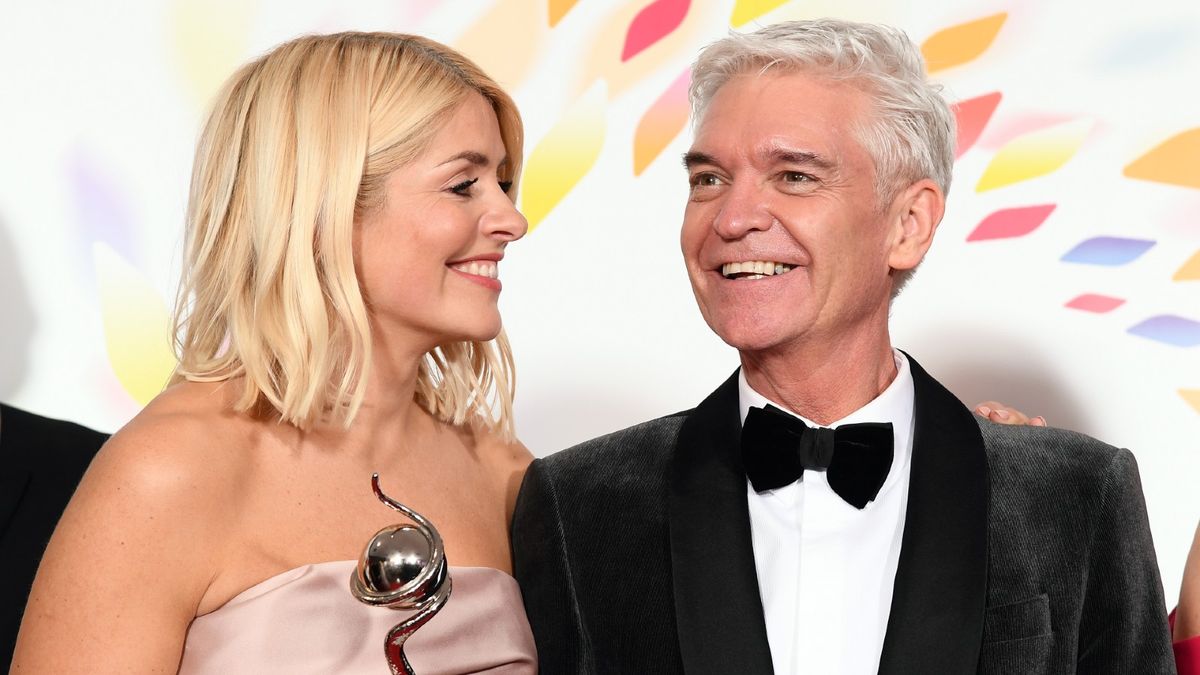
Phillip Schofield reveals Holly Willoughby is like therapy to him since he came out as gay last year – Woman & Home

This Morning presenters Phillip Schofield and Holly Willoughby have had a close relationship for many years and in a recent interview, he has spoken about how his co-star has been like therapy to him since coming out as homosexual in 2020. 

In an interview with The Times Magazine, Phillip Schofield opened up about coming out experience and how the Pandemic managed to put his worries into perspective.

He stated in the interview, “In a way, it’s been perhaps a good thing that I have had time to look at the world and think, ‘You know, there are much bigger things going on than what’s going in your head.’” 

He went on to say that he also was grateful to continue working throughout the Pandemic. “And also, at the same time, to think how lucky I am to have been able to have worked through all of this [and] to have had the therapy that Holly’s given me all the way through. I have been broadcasting a long time, but I never thought I’d actually broadcast through something like this.”


Read more from woman&home:   

Best travel pillows for every kind of trip and sleeper
Best scented candles for a gorgeous-smelling home
Best Kindles for digital book lovers – we help you decide which one to buy


Phillip Schofield came out as homosexual in an emotional episode of this morning as his co-host Holly read out a statement that he shared on his social media.

The statement read, “You never know what’s going on in someone’s seemingly perfect life, what issues they are struggling with, or the state of their wellbeing – and so you won’t know what has been consuming me for the last few years. With the strength and support of my wife and my daughters, I have been coming to terms with the fact that I am gay.”

In the Times interview, Philip also spoke about his shock at the profound effect his coming out had on some viewers. The presenter revealed, “What I will say in addition to what I have said before… the side-effect of what I did took me by surprise. Because when you do something like that, there’s an element of selfishness when you are protecting yourself. [But] I suddenly realised, and it was highlighted through lockdown, the number of people who said, ‘You just saved my life. What you did has saved me…’

He added, “It doesn’t have to be a sexuality thing. A lot of people have said, ‘I have sought help,’ or, ‘I have a gambling problem,’ or, ‘I have a drink problem.’ Whatever the issue, ‘I took strength in what you did and I have spoken to someone.’ I have spent time talking to people and talking them off the ledge. I am not a therapist, but at least I could be a little more insightful about what I did. It’s a good thing to have come out of it all.’ ”

Phillip and Holly also both continued to speak about their close relationship. Phillip stated that he and Holly are “best mates” and dismissed the rumours that they have had off-screen falling outs. Phillip stated, “It’s just nonsense,” to which Holly added, “Doesn’t make sense.”

Phillip Schofield and Holly Willoughby can both be seen in action on This Morning which airs again on Monday at 10 am.

Va. teacher suspended over anti-trans comments files lawsuit – Washington Blade

The Biden administration has officially ended a policy that forced asylum seekers to pursue their cases in Mexico.

The previous White House’s Migrant Protection Protocols program, which became known as the “Remain in Mexico” policy, took effect in 2019. Advocates sharply criticized MPP, in part, because it made LGBTQ asylum seekers who were forced to live in Tijuana, Ciudad Juárez, Matamoros and other Mexican border cities even more vulnerable to violence and persecution based on their gender identity and sexual orientation.

The White House in January suspended enrollment in MPP shortly after President Biden took office.

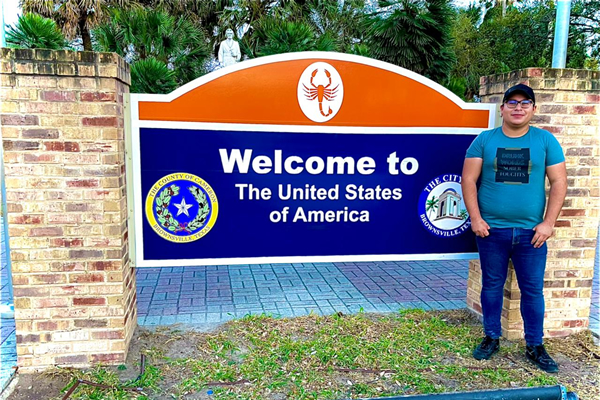
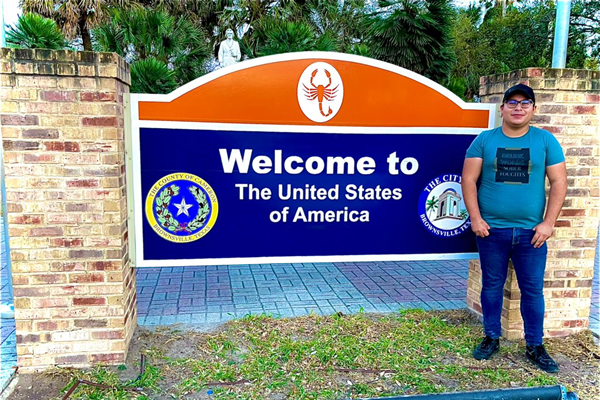
Homeland Security Secretary Alejandro Mayorkas on Tuesday in a memo he sent to acting U.S. Customs and Border Protection Commissioner Troy Miller, acting U.S. Immigration and Customs Enforcement Director Tae Johnson and acting U.S. Citizenship and Immigration Services Director Tracy Renaud that announced the end of the Trump-era policy said roughly 11,200 asylum seekers with MPP cases have been allowed into the U.S. between Feb. 19 and May 25. Estuardo Cifuentes, a gay man from Guatemala who ran Rainbow Bridge Asylum Seekers, a program for LGBTQ asylum seekers and migrants in Matamoros that the Resource Center Matamoros, a group that provides assistance to asylum seekers and migrants in the Mexican border city, helped create, is among them.

“MPP does not adequately or sustainably enhance border management in such a way as to justify the program’s extensive operational burdens and other shortfalls,” wrote Mayorkas in his memo.

“In deciding whether to maintain, modify, or terminate MPP, I have reflected on my own deeply held belief, which is shared throughout this administration, that the United States is both a nation of laws and a nation of immigrants, committed to increasing access to justice and offering protection to people fleeing persecution and torture through an asylum system that reaches decisions in a fair and timely manner,” he added. “To that end, the department is currently considering ways to implement long-needed reforms to our asylum system that are designed to shorten the amount of time it takes for migrants, including those seeking asylum, to have their cases adjudicated, while still ensuring adequate procedural safeguards and increasing access to counsel.”

Steve Roth, executive director of the Organization of Refuge, Asylum and Migration, a Minnesota-based organization that works with LGBTQ refugees and migrants around the world, welcomed the end of MPP.

“We’re very happy to see, at long last, the termination of the dangerous and illegal ‘Remain in Mexico’ policy that was put in place by the Trump administration in early 2019,” Roth told the Washington Blade in a statement. “This policy forced asylum seekers at our Southern border — including many LGBTIQ individuals — to spend months and sometimes years in dangerous Mexican border towns while they waited for their asylum cases to be processed.” 

Roth added MPP “was not in keeping with the United States’ commitments to international asylum law and it was not reflective of who we are as a country.”

“We’re grateful to President Biden and his administration for overturning this policy and for their commitment to a just and humane immigration and asylum system,” he said.

Immigration Equality Legal Director Bridget Crawford echoed Roth.

“President Trump created a humanitarian disaster with this policy that has resulted in well over a thousand asylum seekers being assaulted, raped, kidnapped or murdered while awaiting their asylum hearing, including LGBTQ and HIV-positive people,” Crawford told the Blade in a statement. 

Ending MPP is the latest in a series of steps the Biden administration has taken to reverse the previous White House’s hardline immigration policies.

State Department spokesperson Ned Price told the Blade last month that protecting migrants and asylum seekers who are fleeing persecution based on their gender identity and sexual orientation is one of the administration’s global LGBTQ rights priorities.

Vice President Kamala Harris is among the administration officials who have publicly acknowledged that anti-LGBTQ violence is a “root cause” of migration from Central America. Texas Congresswoman Veronica Escobar, whose district includes the border city of El Paso, and others have noted to the Blade that Title 42, a Centers for Disease Control and Prevention rule that closed the Southern border to most asylum seekers and migrants because of the coronavirus pandemic, remains in place.

Congress has yet to consider a comprehensive immigration reform bill that Democrats introduced in February. Crawford in her statement also notes Mayorkas’ memo “does not address the many thousands of individuals who were wrongfully denied relief under the MPP program.” 

“These people no longer have ‘active’ cases, so they are not being processed by the administration, but many are living in Mexico or have been returned back to their countries where they face persecution.  Quite literally, some of these people have been handed a death sentence,” said Crawford. “The Biden administration has not addressed these cases yet and whether people wrongfully denied relief under the MPP program will have an opportunity to renew their claims.” 

Estuardo Cifuentes outside a port of entry in Brownsville, Texas, on March 3, 2021, shortly after he entered the U.S. (Photo courtesy of Estuardo Cifuentes)